

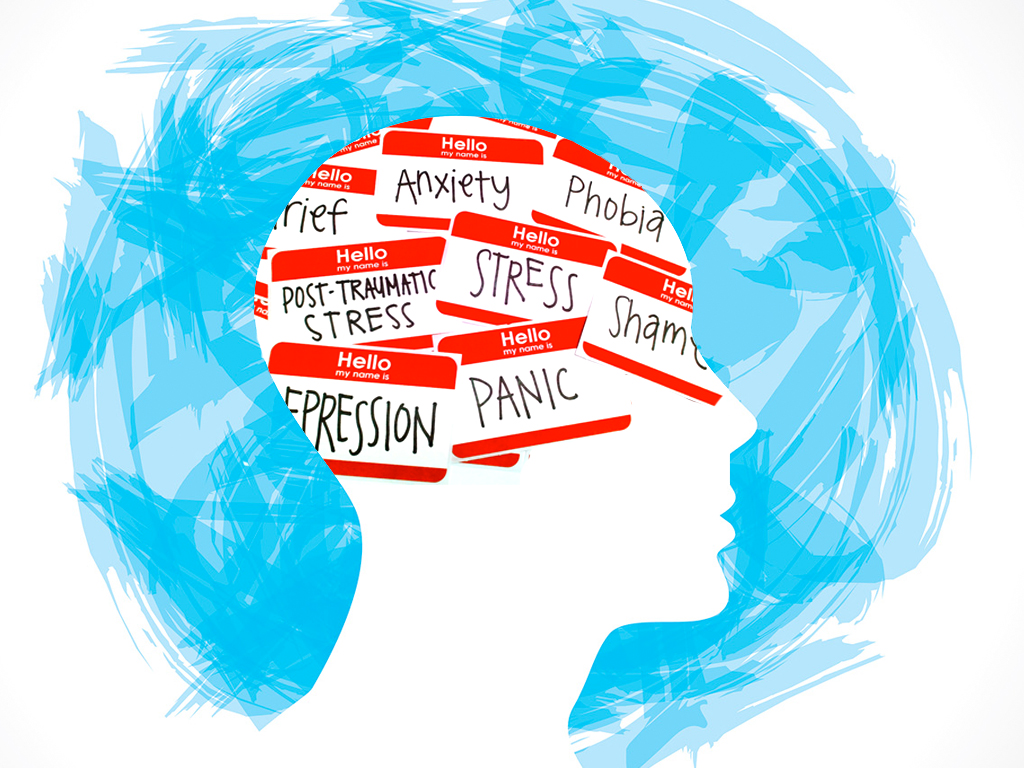
Adolescence is a transformative period marked by growth, self-discovery, and new experiences. However, it can also be a challenging time for many young individuals as they navigate various social, academic, and personal pressures. Mental health issues among youth and teenagers have become increasingly prevalent, and it’s crucial to foster understanding and support. In this blog post, we will delve into the world of mental health issues that affect this age group, explore their causes, and provide insights on how to promote positive mental well-being.
- Anxiety Disorders:
Anxiety disorders, including generalized anxiety disorder (GAD), social anxiety, and panic disorder, are common among youth and teenagers. The pressure to excel academically, fitting in socially, and uncertainties about the future can contribute to excessive worry, panic attacks, and avoidance behaviors. Recognizing the signs and symptoms of anxiety disorders is crucial, as is encouraging open communication and seeking professional help when necessary.
- Depression and Mood Disorders:
Depression is a significant mental health issue affecting youth and teenagers. Feelings of sadness, hopelessness, changes in appetite or sleep patterns, and loss of interest in activities once enjoyed are common symptoms. Other mood disorders, such as bipolar disorder, can also manifest during this stage. It’s essential to create a safe and supportive environment where young individuals feel comfortable discussing their emotions and seeking assistance from mental health professionals.
- Eating Disorders:
Eating disorders, including anorexia nervosa, bulimia nervosa, and binge eating disorder, often emerge during adolescence. Body image concerns, societal pressures, and distorted perceptions of self can contribute to disordered eating habits. Raising awareness about the importance of body positivity, fostering a healthy relationship with food, and promoting self-acceptance are vital steps toward preventing and addressing eating disorders.
- Substance Abuse and Addiction:
Substance abuse is a serious issue that can have devastating consequences for youth and teenagers. The pressures to experiment, peer influence, and attempts to cope with underlying emotional struggles can contribute to substance misuse and addiction. Promoting education on the risks associated with substance abuse, establishing open lines of communication, and encouraging healthy coping mechanisms are crucial in preventing and addressing addiction issues.
- Self-Harm and Suicide:
The rising prevalence of self-harm and suicidal ideation among youth and teenagers is deeply concerning. Feelings of helplessness, loneliness, and the inability to cope with emotional pain may lead to self-destructive behaviors. Creating safe spaces for open discussions about mental health, providing access to professional support, and fostering a supportive network of friends and family can be life-saving.
The mental health challenges faced by youth and teenagers are complex and multifaceted. By fostering understanding, promoting open dialogue, and providing the necessary support, we can create an environment where mental health is prioritized. It is essential to dispel the stigma surrounding mental health issues, educate ourselves and others, and seek professional help when needed. Together, we can empower young individuals to navigate their mental well-being and thrive during this transformative phase of life. Remember, their mental health matters, and by standing united, we can make a positive difference in their lives.
Treatment for Mental Health Issues in Youth and Teenagers:
When it comes to addressing mental health issues in youth and teenagers, it’s essential to emphasize that seeking professional help is crucial. Mental health professionals are trained to provide appropriate guidance, support, and treatment strategies. Here are some common treatment options:
- Therapy/Counseling:
- Individual Therapy: One-on-one therapy sessions allow young individuals to express their thoughts and emotions in a safe and confidential environment. Therapists use evidence-based approaches, such as cognitive-behavioral therapy (CBT), dialectical behavior therapy (DBT), or psychodynamic therapy, to address specific concerns and promote coping strategies.
- Family Therapy: Involving the family can be beneficial, especially when mental health issues impact family dynamics. Family therapy helps improve communication, resolve conflicts, and strengthen relationships, creating a supportive network for the young person.
- Medication:
- In some cases, mental health professionals may prescribe medication to alleviate symptoms and manage certain mental health disorders. Medication should always be carefully evaluated, and its use should be closely monitored by a qualified healthcare provider.
- Support Groups:
- Participating in support groups or peer-led programs can provide valuable support and a sense of belonging. These groups allow young individuals to connect with others who may be experiencing similar challenges, share experiences, and learn from one another.
- Lifestyle Changes:
- Encouraging healthy lifestyle habits is crucial for overall mental well-being. This includes promoting regular exercise, sufficient sleep, and a balanced diet. Engaging in activities they enjoy, practicing relaxation techniques (such as mindfulness or meditation), and setting realistic goals can also contribute to improved mental health.
- School-Based Interventions:
- Collaborating with schools is essential for addressing mental health issues. Schools can provide resources such as guidance counselors, psychologists, or social workers who can support students within the educational setting. Implementing anti-bullying campaigns, stress management programs, and mental health awareness initiatives can also contribute to a positive school environment.
- Holistic Approaches:
- Complementary and alternative therapies, such as art therapy, music therapy, yoga, or mindfulness practices, can complement traditional treatment methods and provide additional avenues for self-expression and healing.
Remember, treatment approaches can vary depending on the specific mental health issue, its severity, and individual needs. It’s important to tailor the treatment plan to the young person’s unique circumstances and involve their input throughout the process. Additionally, maintaining open lines of communication, providing ongoing support, and fostering a non-judgmental environment are crucial for their recovery and well-being.
Addressing mental health issues among youth and teenagers requires a comprehensive and compassionate approach. By seeking professional help, utilizing therapy, medication when necessary, and implementing various support mechanisms, we can empower young individuals to overcome their challenges and thrive. It’s essential to remember that treatment plans may vary based on individual circumstances, and a combination of approaches may be required. Together, let’s advocate for the well-being of our youth, break down stigma, and provide the necessary support to ensure they receive the treatment they deserve.