
Categories
Antioxidants Food Health

Antioxidants

Antioxidants are essential for maintaining a healthy body and reducing the risk of chronic diseases. These powerful nutrients help protect the body from harmful free radicals, which can damage cells and contribute to aging and disease. Here are some foods that are loaded with antioxidants and can help you maintain optimal health.

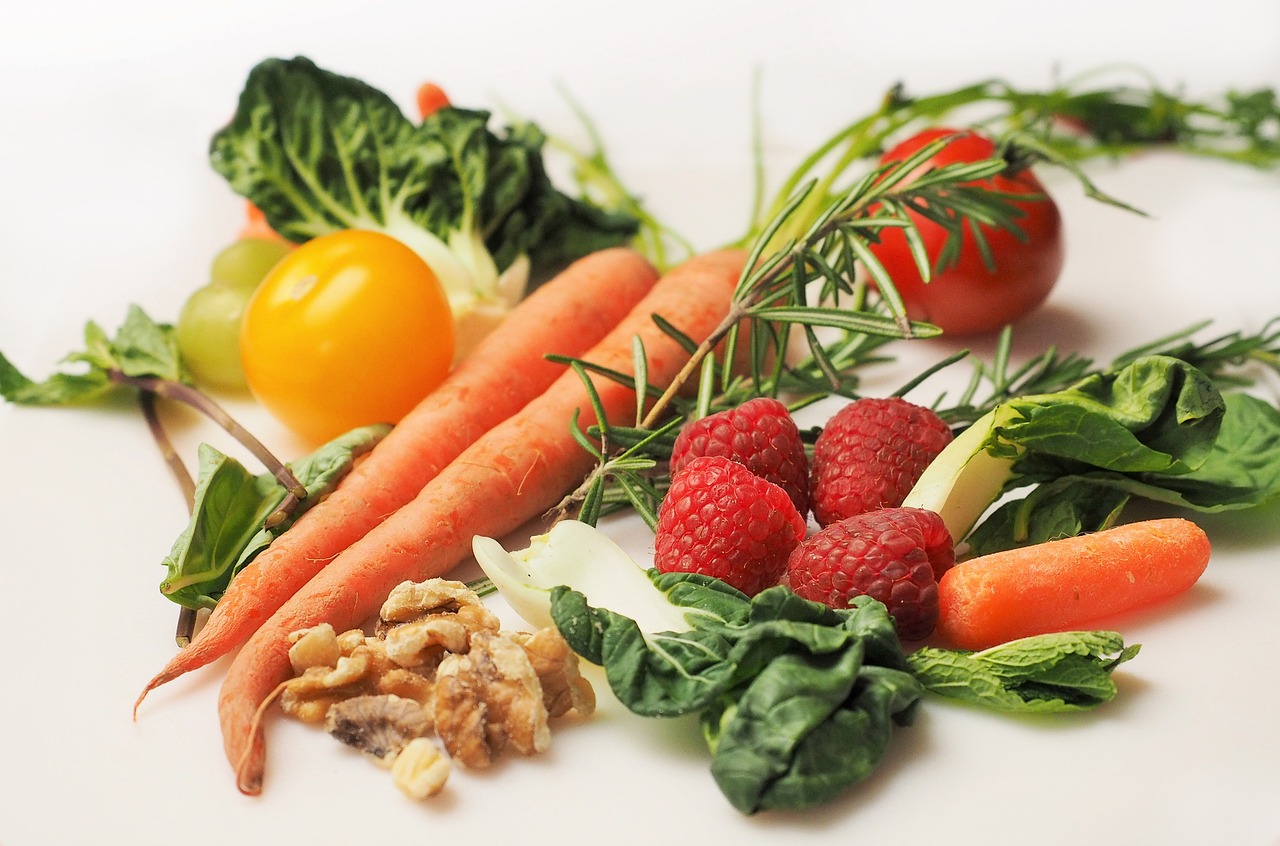
  1. Berries: Berries are rich in antioxidants like anthocyanins, which can help reduce inflammation, improve heart health, and promote healthy aging. Some of the best berries for antioxidants include blueberries, strawberries, raspberries, and blackberries.
  2. Dark Chocolate: Dark chocolate is rich in flavonoids, which are antioxidants that can help lower blood pressure, reduce inflammation, and improve heart health. Make sure to choose chocolate that is at least 70% cocoa to get the most antioxidants.
  3. Nuts: Nuts are a great source of antioxidants and healthy fats. Almonds, pistachios, and walnuts are especially high in antioxidants like vitamin E, which can help protect cells from damage and reduce the risk of chronic diseases.
  4. Leafy Greens: Leafy greens like spinach, kale, and collard greens are packed with antioxidants like vitamin C and beta-carotene. These nutrients can help reduce inflammation and protect against chronic diseases like cancer and heart disease.
  5. Tomatoes: Tomatoes are rich in lycopene, an antioxidant that can help reduce the risk of heart disease and certain types of cancer. Cooked tomatoes, like in tomato sauce or soup, are especially high in lycopene.
  6. Beans: Beans are a great source of antioxidants like polyphenols and can help reduce inflammation and improve heart health. Some of the best beans for antioxidants include kidney beans, black beans, and pinto beans.
  7. Spices: Many spices are loaded with antioxidants and can help reduce inflammation and improve overall health. Some of the best spices for antioxidants include turmeric, ginger, cinnamon, and oregano.

Incorporating antioxidant-rich foods into your diet can help protect your body from free radicals, reduce inflammation, and lower the risk of chronic diseases. By adding these foods to your meals and snacks, you can support optimal health and wellbeing. So, go ahead and indulge in some dark chocolate, sprinkle some cinnamon on your oatmeal, or enjoy a colorful salad loaded with berries and leafy greens. Your body will thank you for it!

Share
Categories
Food Health

Food for Middle Aged People – Good vs Bad

As we enter middle age, our bodies undergo various changes, and it becomes increasingly important to maintain a healthy and balanced diet to support our overall health and wellbeing. Here are some foods that are good and bad for middle-aged people.

Good Foods for Middle-Aged People:

  1. Leafy Greens: Leafy greens like spinach, kale, and collard greens are rich in vitamins and minerals, and they contain antioxidants that can help reduce inflammation and protect against chronic diseases.
  2. Fatty Fish: Fatty fish like salmon, tuna, and sardines are high in omega-3 fatty acids, which can help reduce inflammation, lower cholesterol levels, and improve brain function.
  3. Whole Grains: Whole grains like brown rice, quinoa, and oats are a great source of fiber, which can help lower cholesterol levels, regulate blood sugar, and promote healthy digestion.
  4. Berries: Berries like blueberries, strawberries, and raspberries are rich in antioxidants and can help reduce inflammation, improve heart health, and promote brain function.
  5. Nuts and Seeds: Nuts and seeds like almonds, walnuts, chia seeds, and flaxseeds are a great source of healthy fats, protein, and fiber, which can help reduce inflammation and improve heart health.

Bad Foods for Middle-Aged People:

  1. Processed Foods: Processed foods like chips, cookies, and frozen dinners are often high in calories, sodium, and unhealthy fats, which can contribute to weight gain, high blood pressure, and other chronic diseases.
  2. Sugary Drinks: Sugary drinks like soda, energy drinks, and sports drinks are high in calories and sugar and can contribute to weight gain and an increased risk of chronic diseases like diabetes and heart disease.
  3. Red Meat: Red meat like beef, pork, and lamb can be high in saturated fats, which can contribute to high cholesterol levels and an increased risk of heart disease.
  4. Fried Foods: Fried foods like french fries and fried chicken can be high in calories and unhealthy fats, which can contribute to weight gain and an increased risk of chronic diseases.
  5. Alcohol: While moderate alcohol consumption can have health benefits, excessive alcohol consumption can contribute to weight gain, high blood pressure, and an increased risk of chronic diseases like liver disease and certain types of cancer.

A healthy and balanced diet is essential for middle-aged people to maintain optimal health and wellbeing. By incorporating these good foods into their diet and limiting or avoiding these bad foods, middle-aged people can support their overall health and reduce their risk of chronic diseases.

Share
Categories
Food Health

Which food will help seniors?

As we age, it becomes increasingly important to maintain a healthy and balanced diet to ensure optimal health and wellbeing. Here are some specific foods that can benefit seniors and provide them with the necessary nutrients to support their aging bodies.

Firstly, fruits and vegetables are an essential component of a healthy diet for seniors. They are high in vitamins, minerals, and antioxidants that can help protect against chronic diseases. Seniors should aim to consume a variety of colorful fruits and vegetables, including leafy greens, berries, citrus fruits, and cruciferous vegetables.

Whole grains are another important food group for seniors. They are a great source of fiber, which can help lower cholesterol levels and prevent constipation. Whole grains also contain important vitamins and minerals, such as B vitamins, iron, and zinc. Seniors should incorporate whole grain products like brown rice, whole wheat bread, and quinoa into their meals.

Lean protein is also crucial for seniors to maintain muscle mass and strength. Good sources of protein include lean meats like chicken and turkey, fish like salmon and tuna, beans, and tofu. Seniors who are vegetarian or vegan can opt for plant-based protein sources like tempeh and lentils.

Dairy products like milk, yogurt, and cheese are important sources of calcium and vitamin D, which are essential for bone health. Seniors should aim to consume low-fat or fat-free dairy products to reduce their intake of saturated fats. Seniors who are lactose intolerant can opt for non-dairy alternatives like almond milk, soy milk, and fortified orange juice.

Lastly, nuts and seeds are a great source of healthy fats, protein, and fiber. Seniors can include nuts and seeds like almonds, walnuts, chia seeds, and flaxseeds in their diet. These foods can help lower cholesterol levels, reduce inflammation, and provide the body with essential nutrients.

In conclusion, a healthy and balanced diet is important for seniors to maintain optimal health and wellbeing. By incorporating these nutrient-rich foods into their diet, seniors can ensure that they are getting all the necessary vitamins and minerals to support their aging bodies.


Share
Categories
Food Health

Food that may have to be avoided by seniors

As we age, it’s important to be mindful of the foods we eat to maintain good health and prevent certain conditions. Here are some foods that seniors may want to avoid for optimal health!

  1. Sugary treats: Sorry seniors, but it’s time to say goodbye to those daily donuts and candy bars. Excessive sugar consumption can increase the risk of diabetes, heart disease, and other health complications. But don’t worry, there are plenty of sugar-free and low-sugar alternatives to satisfy your sweet tooth!
  2. Fried foods: Fried foods may be delicious, but they’re not doing your health any favours. They can increase the risk of heart disease, high blood pressure, and other health complications. Instead, opt for grilled, baked, or broiled options for a healthier meal.
  3. Processed foods: Many processed foods are high in sodium, preservatives, and other additives that can increase the risk of heart disease, high blood pressure, and other health complications. Stick to whole, natural foods for optimal health.
  4. Alcohol: While a glass of wine with dinner can be enjoyable, excessive alcohol consumption can increase the risk of falls, liver disease, and other health complications. Stick to moderate alcohol consumption or avoid it altogether if you have a history of alcohol abuse or other health conditions.
  5. Caffeine: While a cup of coffee can be a great way to start the day, excessive caffeine consumption can increase the risk of heart palpitations, anxiety, and other health complications. Stick to moderate caffeine consumption or switch to decaf if you’re sensitive to caffeine.
  6. Spicy foods: Spicy foods can be a delicious addition to any meal, but they can also irritate the digestive system and increase the risk of heartburn and other digestive issues. If you’re sensitive to spicy foods, consider opting for milder options.
  7. High-fat foods: While some fats are necessary for good health, excessive consumption of high-fat foods can increase the risk of heart disease, high blood pressure, and other health complications. Stick to healthy fats such as those found in nuts, seeds, and fatty fish.

Overall, a healthy diet is essential for good health at any age. By avoiding these common food pitfalls, seniors can maintain good health and enjoy all the other benefits of aging gracefully – including the wisdom to know what foods to avoid!

Share