
Categories
Health Stroke

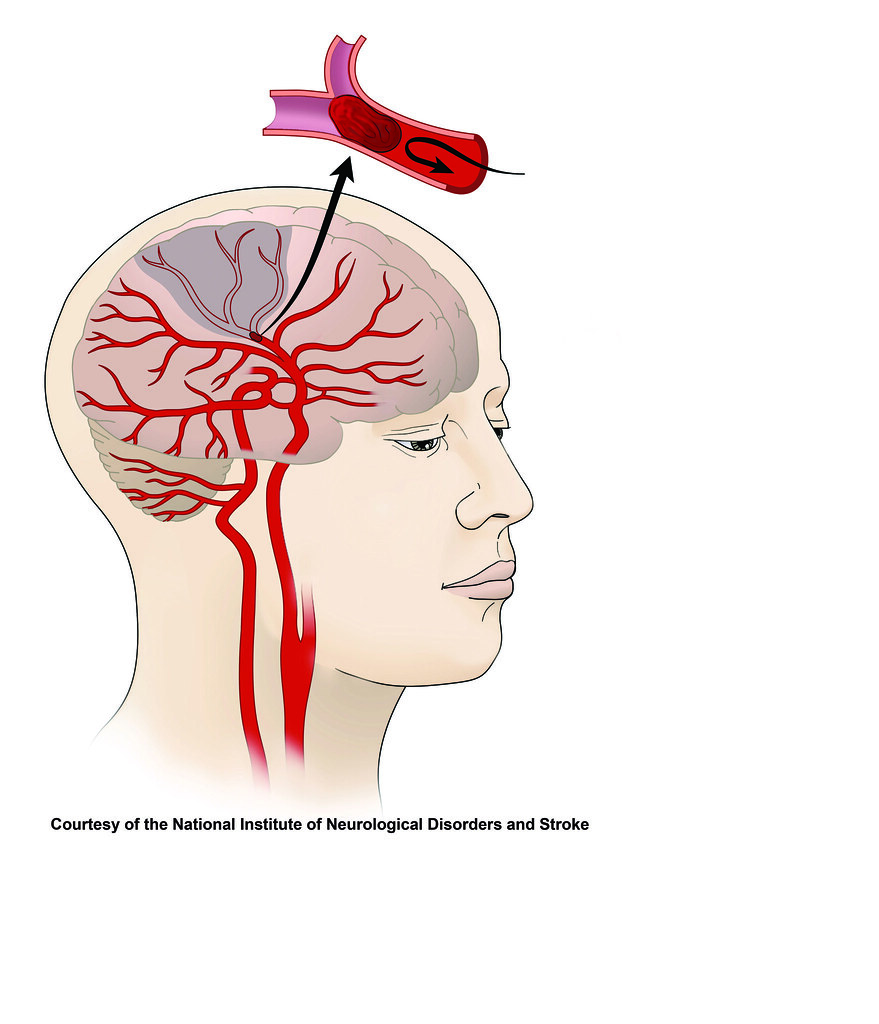
Stroke – Causes and Prevention

A stroke is a serious medical condition that occurs when blood flow to the brain is interrupted, either due to a blockage or a burst blood vessel. It can cause lasting damage to the brain and even be fatal in some cases. Here are some common causes of stroke and ways to prevent it:

  1. High blood pressure: High blood pressure is a leading cause of stroke. To prevent stroke caused by high blood pressure, it’s important to maintain a healthy weight, exercise regularly, eat a healthy diet, and manage stress. If you have high blood pressure, take any prescribed medications as directed by your healthcare provider.
  2. Smoking: Smoking is a major risk factor for stroke, as it can damage blood vessels and increase the risk of blood clots. Quitting smoking can greatly reduce your risk of stroke, as well as improve your overall health.
  3. Diabetes: People with diabetes are at an increased risk of stroke due to damage to blood vessels and increased risk of blood clots. To prevent stroke caused by diabetes, it’s important to manage blood sugar levels through a healthy diet, exercise, and medication as prescribed by your healthcare provider.
  4. High cholesterol: High levels of LDL or “bad” cholesterol can contribute to the buildup of plaque in the arteries, increasing the risk of stroke. To prevent stroke caused by high cholesterol, follow a healthy diet low in saturated and trans fats, exercise regularly, and take any prescribed medications as directed by your healthcare provider.
  5. Atrial fibrillation: Atrial fibrillation is an irregular heart rhythm that can cause blood clots to form in the heart, which can then travel to the brain and cause a stroke. To prevent stroke caused by atrial fibrillation, it’s important to manage the condition through medications or other treatments as prescribed by your healthcare provider.
  6. Sedentary lifestyle: A sedentary lifestyle, with little physical activity, can increase the risk of stroke. To prevent stroke caused by a sedentary lifestyle, aim for at least 150 minutes of moderate-intensity exercise per week, such as brisk walking or cycling.
  7. Excessive alcohol intake: Excessive alcohol intake can increase blood pressure and contribute to the buildup of plaque in the arteries, increasing the risk of stroke. To prevent stroke caused by excessive alcohol intake, limit your alcohol consumption to no more than one drink per day for women and two drinks per day for men.

By taking steps to maintain good health and manage any underlying conditions, you can help reduce your risk of stroke. If you have concerns about your risk of stroke, talk to your healthcare provider about ways to manage your risk and promote good health.

Share
Categories
Diabetes Health

Healthy Lifestyle for Type-2 Diabetes

Living with diabetes can be challenging, but it doesn’t mean you have to give up everything you love. Incorporating a healthy lifestyle into your daily routine can actually be quite enjoyable – and even humorous at times. So, let’s take a look at some tips for a healthy lifestyle.

First up, we have exercise. Exercise is essential for managing diabetes, but it doesn’t have to be boring. Try a dance class, a walking routine or a yoga session. Just remember, if you’re doing yoga, it’s called “downward dog”, not “downward donut”.

Next, let’s talk about food. Eating healthy doesn’t have to be bland and boring. In fact, there are plenty of delicious and nutritious options out there. Try swapping out your morning donut for two slices of sprouted multigrain bread together with eggs or a bowl of oatmeal topped with fruit. It’s like a party in your mouth, but without the sugar crash.

Another important aspect of a healthy lifestyle is hydration. Drinking water is key for regulating blood sugar levels, but it can be hard to remember to drink enough. Try adding a slice of lemon or cucumber to your water for some added flavor. Just don’t add too much, or it might start to taste like you’re drinking a salad.

Stress management is also important for managing diabetes. Try incorporating some relaxation techniques into your daily routine, such as meditation or deep breathing exercises. Reciting your familiar prayers is also a kind of meditation. Just remember, if you’re meditating and your mind starts to wander, it’s okay – even monks struggle with staying focused sometimes.

Getting enough sleep is essential for overall health, but it can be hard to get the recommended 7-8 hours per night. Try creating a relaxing bedtime routine, such as reading a book or taking a warm bath. Just don’t fall asleep in the tub – prune fingers are not a good look.

Keeping a Balanced Diet

A healthy and balanced diet can certainly help manage and even prevent the development of type 2 diabetes. Eating a variety of nutrient-rich foods in appropriate portions and limiting intake of unhealthy processed foods and sugary drinks can help regulate blood sugar levels and improve overall health. Here are some foods that can be part of a healthy diet for people with diabetes:

  1. Non-starchy vegetables: Vegetables such as spinach, kale, broccoli, and green beans are low in calories and high in nutrients, including fiber and vitamins. They also have a low glycemic index, which means they won’t cause a sudden spike in blood sugar levels.
  2. Whole grains: Whole grains, such as brown rice, quinoa, and whole wheat bread, are high in fiber and contain important nutrients. They also have a lower glycemic index than refined grains, which means they can help regulate blood sugar levels.
  3. Lean proteins: Lean proteins, such as chicken, fish, and tofu, can help manage blood sugar levels by providing a steady source of energy without causing spikes in blood sugar.
  4. Legumes: Legumes, such as beans, lentils, and chickpeas, are high in fiber and protein, which can help regulate blood sugar levels and keep you feeling full.
  5. Fruits: Fruits are a healthy source of vitamins, minerals, and fiber. However, some fruits can be high in sugar, so it’s important to monitor your intake and choose fruits with a lower glycemic index, such as berries and apples.

In conclusion, living a healthy lifestyle with diabetes can be enjoyable and even humorous at times. Incorporating exercise, healthy food options, hydration, stress management, and sleep into your daily routine can help manage diabetes and improve overall health. And remember, laughter is the best medicine – even if it’s just a chuckle at the fact that you’re drinking cucumber water instead of soda.

Share
Categories
English Health

Herbs that could cure type 2 diabetes by lowering blood sugar

Type 2 diabetes can be cured through diet and lifestyle changes. Natural herbal supplements can help stabilize blood sugar level. Also there are some herbs which can lower blood sugar. Furthermore, herbs and spices give additional health benefits apart from balancing blood sugar.

Following is a list of some of the herbs and spices that could lower blood sugar :

1) Cinnamon – This spice contains 18% polyphenol content in dry weight. Because of that, it can improve insulin sensitivity and has a positive effect on glycemic control and lipid profile on diabetes patients.

2) Cloves – Contains 30% of the antioxidant phenol, alongside antioxidants anthocyanins and quercetin. Hence they have germicidal and anti-septic properties. Also provides anti-inflammatory, analgesic and digestive health benefits for diabetics.

3) Curry Leaves – They help to stabilize blood glucose levels and impact carbohydrate metabolism. According to a study, curry leaves contain a phytochemical that can help control blood sugar level in patients with Diabetes type 2 by reducing fasting and postprandial blood sugar level.

4) Turmeric – It has antibacterial, anti-inflammatory and antioxidant properties. All these properties help diabetics manage more stable blood sugar levels.

5) Ginger – It has the ability to normalize blood sugar levels. According to some of the studies,  ginger extract can have a significant anti-hyperglycemic effect. It lowers serum total cholesterol, triglycerides and increases the HDL-cholesterol levels.

Share
Categories
உடல்நலம் நீரிழிவு நோய்

நீரிழிவு நோயைக் கட்டுப்பாட்டில் வைத்திருக்க என்ன செய்யலாம்

நீரிழிவு நோய் நமக்கு இருப்பதாகத் தெரிந்தால், சில வாழ்வுமுறை மாற்றங்களை மேற்கொள்வதுடன் அவ்வப்போது டாக்டரைக் கலந்தாலோசித்து செயல்பட்டால், இந்நோயைக் கட்டுப்பாட்டில் வைத்திருக்கலாம்.

1) ஆரோக்கியமான உணவைத் தெரிந்தெடுத்து உண்ணுதல்

i)சர்க்கரை, கொழுப்பு அதிகம் உள்ள உணவுகளைக் குறைக்கவும்.

ii)கார்போஹைடிரேட் சர்க்கரையாக மாறும் என்பதால் அதன் அளவை கவனிக்கவும்.

iii)நீங்கள் இன்சுலின் அல்லது சர்க்கரையை கட்டுப்படுத்தும் மருந்து எடுப்பதாக இருந்தாலும், உணவில் கவனமாக இருப்பது மிக முக்கியம்.

2)தவறாமல் மருத்துவ சோதனைகளைச் செய்தல்

3)உடற்பயிற்சி

4)மன அழுத்தத்தை குறையுங்கள்

5) புகைப்பதை நிறுத்துங்கள்; மதுவை கட்டுக்குள் வைத்திருங்கள்

ஆல்கஹால் உங்கள் இரத்த சர்க்கரையின் அளவை அதிகமாக்கவோ அல்லது மிகவும் குறைவாக ஆக்கவோ செய்யலாம். நீங்கள் குடிக்கும் முன் உங்கள் இரத்த சர்க்கரை அளவைச் சரிபார்த்து, குறைந்த இரத்த சர்க்கரை அளவைத் தவிர்ப்பதற்கான நடவடிக்கை எடுக்கவும்.

Share