Categories
English IBM Cloud Middleware Technical

EBook on IT Exam Preparation for IBM MQ v9.1 System Administration

Good News !

We have published our first book on IT Exam preparation as an Amazon kindle ebook.

Our ebook will help in preparing for the IBM MQ v9.1 system administration exam. It provides two practice tests each consisting of 66 questions and detailed explanations and links to online documents for getting more detailed technical information.

We are sure this ebook will also help in preparing for interviews for job roles requiring IBM MQ skillset. If you already know about IBM MQ, this book can be used to refresh your knowledge.

Soon, we may announce promotional offers for this ebook.

This ebook is available at the following link :

IBM MQ v9.1 System Administration Questions and Answers

Share
Categories
English Latest Technology Phones

Comparison of UMIDIGI Power 3 vs Apple iPhone 11 Pro

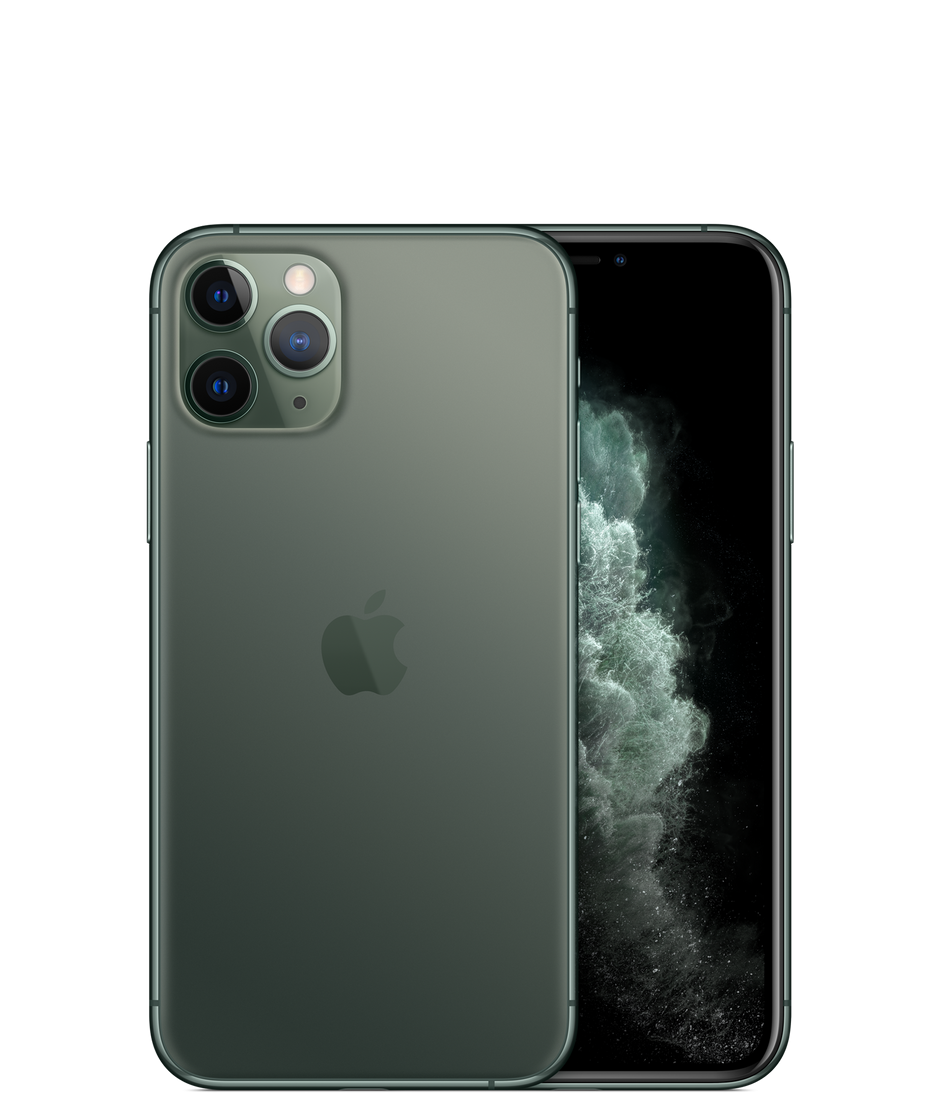
Let us compare the Chinese android phone UMIDIGI Power 3 with Apple’s latest flagship iPhone 11 Pro.

Feature iPhone 11 Pro UMIDIGI Power 3 Comment
Battery Life 3190 mAh 6150 mAh The higher mAh battery size means the battery can generally last for more time
Screen Size 5.8 inches 6.53 inches bigger screen is better for internet surfing, live streaming and online TV shows & movies
RAM (random access memory) 6 GB 4GB Higher RAM size implies better performance and multitasking ability
Weight 188 gram 228 gram Lower weight means, it is easy to carry and hence comfortable
NFC yes yes NFC (near-field communication) allows two devices to exchange data between them when brought closer together.
GPS yes yes Both have GPS.
FM radio no yes FM radio allows listening to favourite radio stations as well as enjoying music on the go with UMIDIGI power 3.
Front Camera 12 MP 16 MP Front Camera allows to take your own selfie and do live video calling. More MegaPixels means more details in the image.
VoLTE yes yes VoLTE allows voice service (control and media planes) being delivered as data flows within the LTE data bearer.
Fast Charging yes yes Fast charging helps to quickly charge the phone
Operating System iOS 13 Android 10
Dimensions 144 x 71.4 x 8.1 mm 162.1 x 77.2 x 10.3 mm
Materials Glass, Stainless steel Aluminium Alloy
Resolution 1125 x 2436 pixels 1080 x 2340 pixels Total number of pixels on the display
Pixel Density 463 ppi 395 ppi number of pixels per square inch of the display
Display Technology OLED S-IPS The display technologies decide a lot of factors including how it looks, what the brightness can be, the power consumption etc
Front video 3840 x 2160 pixels @ 60 fps 1920 x 1080 pixels @ 30 fps This let’s one know the highest resolution they can shoot in and will be in the order of 720×1280 @ 30fps, or 1080×1920 @30fps/60fps and can be lower too depending on the smartphone
Rear Video 3840 x 2160 pixels @ 60 fps 1920 x 1080 pixels @ 30 fps Rear camera maximum video recording resolution. This let’s one know the highest resolution they can shoot in and will be in the order of 1080×1920 @ 30fps/60fps, or 4K @30fps/60fps and can be lower too depending on the smartphone.
Rear Aperture size f/1.8 f/1.79 The aperture stop of a photographic lens can be adjusted to control the amount of light reaching the film or image sensor.
Front Aperture Size f/2.2 f/2 The aperture stop of a photographic lens can be adjusted to control the amount of light reaching the film or image sensor.
Share
Categories
Phones ஆண்டிராய்ட் சிறப்புச்செய்தி தகவல் தொழில்நுட்பம் தொழில் நுட்பம் ஸ்மார்ட்ஃபோன்

சீனாவில் வடிவமைக்கப்படும் சிறந்த செல்போன்கள் – மி மிக்ஸ் 3

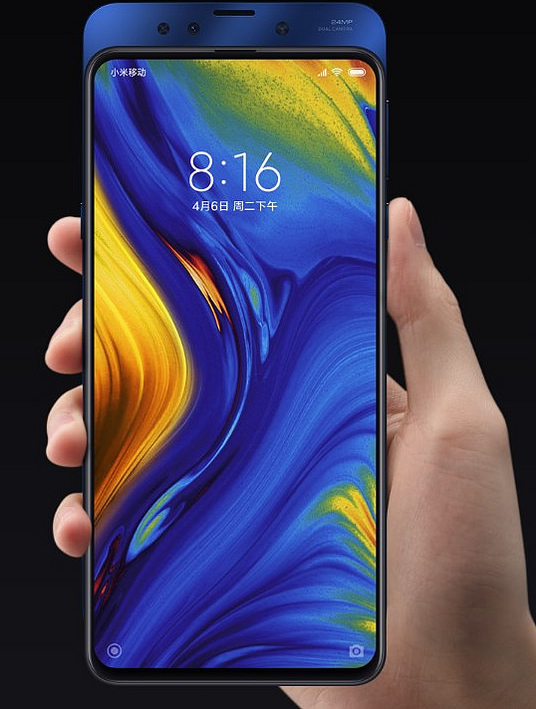
தற்போது விற்பனைக்கு வரும் செல்போன்களின் திரை, விளிம்புகளைத் தொட்டவாறு அமைக்கப்படுவதால், அவற்றின் உபயோகப்படுத்தும் பரப்பளவு அதிகமாக்கப்பட்டுள்ளது. இச்சிறப்பம்சம் புகழ்பெற்ற செல்போன்களில் இருக்க வேண்டும் என நுகர்வோர்களால் எதிர்பார்க்கப்படுகிறது. ஐ-போன்-X (iPhone X)-ல் இவ்வம்சம் புகுத்தப்படுவதற்கு ஒரு வருடத்திற்கு முன்னதாகவே சீனாவின் சியோமி (Xiaomi) நிறுவனம், தமது முதலாவது போனான மி மிக்ஸ் போனில் இவ்வம்சத்தை அறிமுகப்படுத்தினர். தொடர்ந்து அவர்களது தற்போதைய போனான மி மிக்ஸ் 3 (Mi Mix 3)– யிலும் இவ்வம்சம் மற்றொரு புதிய அம்சமான நழுவித்திரையுடன் (slider) சேர்ந்து இடம் பெற்றுள்ளது.

சிறப்புக்கூறுகள் (Features)

Chipset: Qualcomm Snapdragon 845
Memory: 6/8 GB RAM/128GB storage
Battery : 3200mAh; Fast wired charging (up to 18W);Fast wireless charging (up to 10W)
Camera: Dual 12-megapixel rear cameras; 4K video capable
Camera features: 2x telephoto, Dual Pixel AF, 4-axis OIS
OS: Android 9.0 Pie w/ MIUI 10
Other features :
Ceramic back
6.39-inch 19.5:9 1080×2340 Full HD+ AMOLED display
Slide-out dual 24/2-megapixel front cameras
Dual SIM, dual VoLTE; 2×2 MIMO Wi-Fi ac, Bluetooth 5.0 with aptX HD, dual band GPS/Galileo

மி மிக்ஸ் 3 -யின் திரை பெரிதாகவும் தெள்ளத் தெளிவாகவும் உள்ளது. விரைவாக செயலாற்றும் திறன், அதிக நேரம் செயல்படும் பேட்டரி, பின்புறமுள்ள சக்திவாய்ந்த இரு கேமராக்கள் ஆகியவை இந்த போனின் சுவாரசியமான விஷயங்கள். ஆனால் தடிமனாகவும் கொஞ்சம் கனமாகவும் இருப்பதாலும் சிலருக்கு இதனைப் பிடிக்காமல் போகலாம்.

இதனை வாங்க நீங்கள் முடிவு செய்யுமுன் கவனத்தில் கொள்ள வேண்டிய சில விஷயங்கள் :

1) செல்ஃபி கேமரா அதிக தரம் என்று சொல்ல முடியாது

2) HDR படங்கள் எடுப்பதற்கு சிரமப் பட வேண்டியிருக்கும்

3) தற்போது வரும் செல்போன்களின் திரையிலேயே கைரேகைப் பதிவு ஸ்கேனர் வருகிறது. ஆனால், இந்த போனில் அந்த அம்சம் கிடையாது.

அடுத்த பதிவில்: ஹானர் வியூ 20

Share
Categories
English Latest Technology Phones Technical

சீனாவில் வடிவமைக்கப்படும் சிறந்த செல்போன்கள் – ஹுவாவெய் P20 pro

சீனாவிலிருந்துதான் உலக சந்தைக்கு அதிக அளவில் செல்போன்கள் உற்பத்தி செய்யப்படுகின்றன. ஆப்பிள், சாம்சங், பிளாக்பெரி போன்ற நிறுவனங்கள் வேறு நாடுகளில் இருந்து இயங்கினாலும் அவற்றின் புகழ்பெற்ற செல்போன்கள் உற்பத்தியாவது பெரும்பாலும் சீனாவிலிருந்துதான்.  ஆனால் தற்போது சீன கம்பெனிகள் தாமாகவே செல்போன்களை வடிவமைத்து விற்கின்றன. மேற்கத்திய நாடுகளில் வடிவமைக்கப்படும் செல்போன்களின் தரத்திற்கு இணையாகவும் சற்று விலை குறைவாகவும் இவை விற்கப்படுகின்றன.

தற்போது விற்பனையாகின்ற சீன செல்போன்களில்  சிறப்பாக குறிப்பிடத்தக்க ஐந்தினைப் பற்றி இத்தொடரில் பார்க்கலாம்.

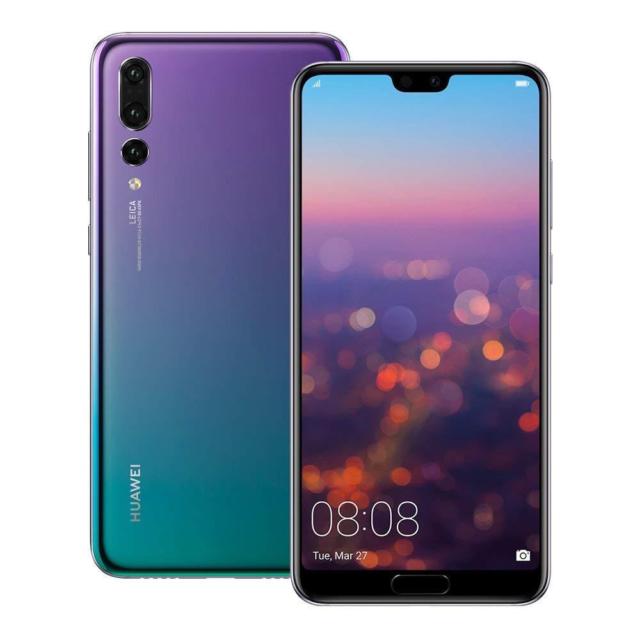
1) ஹுவாவெய் P20 pro (Huawei P20 Pro)

சிறப்புக்கூறுகள் (Features)

Display: 6.1-inch with 1080 x 2240 resolution
CPU: Kirin 970
RAM: 6GB
Storage: 128GB
Battery: 4,000mAh
OS: Android 8.1
Rear camera: 40MP + 20MP + 8MP
Front camera: 24MP

ஐ-போனைவிட சற்று விலை குறைவாக விற்கப்படுகிறது. இதன் கேமரா நல்ல தரம். ஆனால் 4K வீடியோ எடுக்கும்போது ஸ்டபிலைசேசன் (stabilization) சரியில்லை. பேட்டரி அதிக நேரம் தாங்கும். வயர்லெஸ் சார்ஜிங் மற்றும் ஹெட்போன் ஜாக் இல்லாதது குறைதான்.

அடுத்த பதிவில்:  மி மிக்ஸ் 3


Share
Categories
English IBM Cloud Latest Technology Microsoft Technical

Top 10 Technologies to learn in 2019


In this post we are going to look at the top 10 technologies to learn in 2019.

Everything in the universe is constantly undergoing change. We adopt the changes, and that is how the world keeps on developing. The same thing applies to technology as well. Latest trends in every technology help in making the world a better place to live. Here, we discuss some of those top trending technologies to learn in 2019.
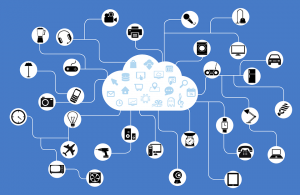
10)  Internet of Things

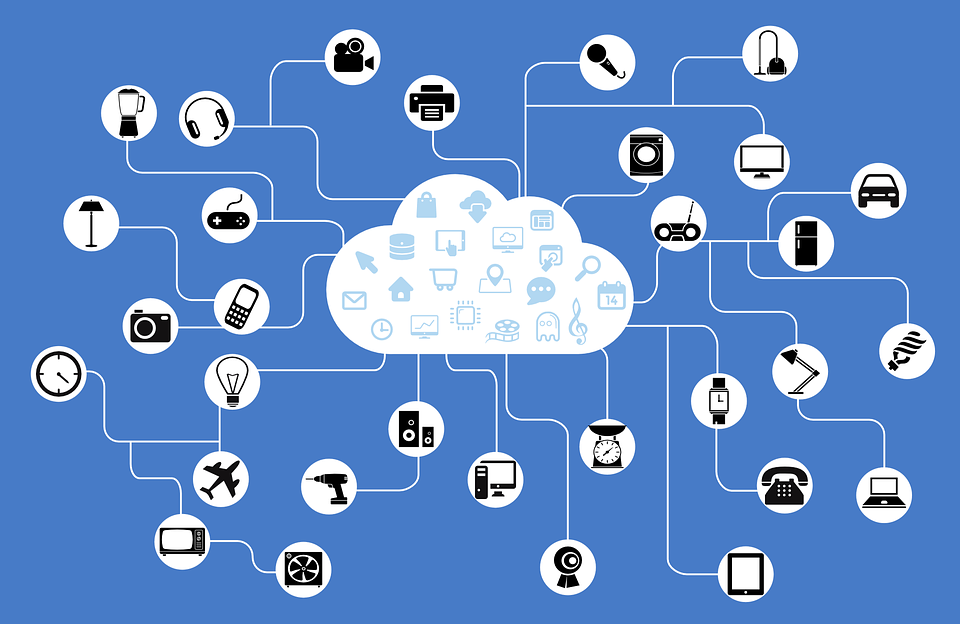
Internet of Things (IoT) has become a hot topic in the present tech-driven world. A strong framework of cloud computing, backed up by a seamless blending of sensors and actuators with the environment around us, is making this network of autonomous objects a reality. From smart wearable to smart cities, from domestic life to industries, IoT is expanding itself to different areas.

Smart security solutions, smart home automation, smart health care, and smart wearables are some of the applications of IoT, and by the near future we expect to see its application to a city’s transportation system or smart power grids. Some of the popular Development tools which can be used for IOT are Arduino Eclipse & IBM Watson. So, anyone who is Fascinated by the Internet and understand the basics of programming languages like C, C++, and has a general idea of how embedded systems work, can build a career in Internet of Things.

9) Cyber Security

In an increasingly digital world, the looming threat of cyber-attacks is more real than ever. These attacks are usually aimed at accessing, changing and destroying sensitive information. Thus, Businesses need experts who can protect data, systems and digital services used on a daily basis.

Therefore, it is necessary for businesses to have appropriate cybersecurity measures in place, in order to counter all of these threats. There is a high demand for personnel who can understand cyber security issues as well as those who can identify, diagnose and resolve these security challenges. Cybersecurity refers to a set of techniques used for protecting the integrity of networks, programs and data from attacks or unauthorized access. It represents the ability to prevent accidents such as hard drive failures or power outages as well as recover from them. Some of the top trending Cybersecurity Technologies are Threat Intelligence, Risk-Based Authentication Remediation & Internet of Things Security. These technologies are implemented using artificial intelligence (AI) and machine learning. Also it involves securing new endpoints from the internet of things (IoT).

Some of the top Cybersecurity Companies of 2018 are AppGaurd, CA technologies, Cimcor, inc, CyberArk, CyberGym Control, & DeltaRisk. Professionals with a good understanding of computer networks and HTTP communication protocol can start their career in Cybersecurity Technologies.

8) Virtual Reality and Augmented Reality

Virtual Reality (VR) is defined as “the use of computer technology to create a simulated environment.” VR may be artificial, such as an animated scene, or an actual place that has been photographed and included in a virtual reality app. With virtual reality, you can move around and look in every direction — up, down, sideways and behind you, as if you were physically there. You can view virtual reality through a special VR viewer, such as the Oculus Rift, Vive or Daydream View. With virtual reality apps, you can explore places you have never been to, such as the surface of Mars, the top of Mt.

Everest, or areas deep under the sea. And Augmented reality is defined as “an enhanced version of reality created by the use of technology to add digital information on an image of something.” AR apps use your phone’s camera to show you a view of the real world in front of you, then put a layer of information, including text and/or images, on top of that view. Apps can use AR for fun. The best example is the game Pokemon GO, or for information, we have the app Layar. AR and VR serve the customer with an enhanced experience and this technology is applicable in various industries like gaming, entertainment, travel & education. So, If you have a basic understanding of the OOPs concept, and if you know the different hardware used in the AR and VR ecosystem then you can develop your career in this technology.

7) Data Integration

Next in the list is Data Integration, ETL ETL refers to extract, transform and load, and it is generally used for data warehousing and data integration. It enables companies to transfer data from various sources, cleanse and reformat it and then load this data into a database to analyze and support business operations. It is a crucial component in the development of business intelligence through data integration. The ETL process ensures that this data is consolidated and stored in a data warehouse in a uniform presentation.

Anyone with basic understanding of Databases or SQL can start their career in this technology. The benefits an organization achieves with ETL tool are: Enhanced Business Intelligence, Increased Query and System Performance, Enhanced Quality, Consistency and High Return on Investment. There are many ETL tools available in market currently like Informatica, Oracle data Integrator, Microsoft SQL Server, Talend, SAP Business object, IBM Datastage & Pentaho.

6) DevOps

DevOps is not a technology; it is a practice which seeks to bring together software developers and operations staff to work on the same project in a more collaborative manner. It is a software development methodology that stresses communication, collaboration and integration between software developers and (IT) operation professionals. As the name indicates, DevOps is a combination of Development and Operations. There are many benefits which we receive from DevOps model such as: Speed, Rapid delivery, Reliability,  Improved Collaboration and Security. Some of the tools used in DevOps are GIT, JENKINS DOCKER, PUPPET CHEF, KUBERNETES & ANSIBLE. There are many companies which are using DevOps now, like Amazon, Facebook, Netflix & google.

If you have basic knowledge of Linux systems, and have the ability to manage systems, applications and infrastructure, then you can build your career in DevOps.

5) Data Analytics and Visualization

We are witnessing a quantum leap in data produced by multiple sources. But all the data in the world is useless if you can’t understand it. Data Analytics and Visualization is about how to present your data, to the right people, at the right time so as to enable them to gain insights most effectively. With the help of the right tool for analytics and visualization, organizations can identify future opportunities and an optimal solution for their existing problems. Companies like Google, Facebook, Amazon, Apple, Netflix and Twitter are making better business decisions with the help of data visualization.

Some of the amazing data analytics and visualization tools are Tableau, Microsoft Business Intelligence, QlikView, PowerBI, Oracle Business Intelligence MicroStrategy, SAP Business Object, and SAS. If you have an analytical bent of mind with basic knowledge of mathematics and have ability to understand data and find patterns in it then you should start your career in Data Analytics and Visualization.

4) Big Data

Big Data has been getting lot of attention over the last few years. Big data refers to problems that are associated with processing and storing different types of data. Most of the companies today, rely on big data analytics to gain huge insight about their customers, product research and marketing initiatives. There are several trends and innovations happening in this space. Industry experts are suggesting that big data in the future will not be about what data to use but rather about what data to ignore. The focus will be more on data quality.

Some of the trendy big data technologies that you can use to promote your business are: Hadoop, Apache Spark Apache Flink, NiFi Kafka, Apache Samza and NoSQL. With these tools the power of Big data and mobility can truly elevate businesses to new levels. Using big data, Telecom companies can predict customer expectations in a better way. Retail industries can predict what products will sell. Insurance companies understand how well their customers actually drive.  Even federal and provincial election campaigns can be optimized using big data analytics. Of course, there are so many other applications of big data and there will be many new categories as the tools become more widespread. So, If you have good knowledge of Java, SQL and Linux, and you’re interested to work with large amounts of structured and unstructured data then surely you should accelerate your career in this space.

3) Cloud Computing

Cloud computing is the delivery of computing services such as servers, storage, databases, networking, software and analytics over the Internet. The companies offering these computing services are called cloud providers and typically charge for cloud computing services based on usage, similar to how you are billed for water or electricity at home. There are several advantages of cloud computing like Less Cost, 24 X 7 Availability, Fast operation, Scalability, and Better Security. There is a lot of competition out there in this market. Some of the famous cloud provider companies are: Amazon Web Services, SalesForce, Microsoft Azure, IBM Cloud & Google Cloud. If you have basic knowledge of virtualization technologies and networking, then it would be good to have a career in this booming technology.

2) Blockchain

Blockchain is the future of internet. Like the name indicates, A blockchain is a continuously growing list of records, called blocks that contain information for the understanding of a common man, which are linked and secured using cryptography. It is the leading digital assets platform which records and controls the monetary information. Blockchain is the technology that runs Bitcoin and Bitcoin is the world’s first cryptocurrency.

There are many benefits of using blockchain. It provides transparency because anyone with access to a blockchain can view the entire chain. It provides Immutability: once a data/transaction is recorded on the blockchain, it cannot be reversed; there are no practical ways of going back and changing or editing any data that has been recorded on the blockchain. It also provides better security against data being stolen or being misused. Without data being located in one place, transaction can take place at a faster pace at various locations. It reduces cost as well. Beyond just financial services, Blockchain technology has many potential applications in governance, insurance, retail, and Healthcare. The use of the blockchain is growing, and businesses are in need of skilled professionals in order to gain a competitive edge. So, to become a developer, you need basic knowledge of OOPs distributed systems. And even a non-technical person with basic knowledge of Banking and Finance can start the career in Blockchain.

1) Artificial Intelligence and Data Science

And the first technology in our list is Artificial Intelligence and Data Science. There is a lot of buzz about artificial intelligence and Data Science in the market currently. Data Science skills are increasingly being used in the domain of Artificial Intelligence. Machine Learning which is a subset of the Artificial Intelligence field needs a lot of the skills that a Data Scientist possesses like data cleansing, data wrangling, data parsing, building mathematical models, working with algorithms, and so on.
So Data Scientists are being much sought-after in the Artificial Intelligence domain to build complex data models, train the machine learning systems with the right data, work with algorithms and make mathematical calculations. Data Scientists can also fine-tune the outcome of Deep Learning systems using statistics, probability and automation approaches. AI & DS is applicable in manufacturing, retailing, transportation, finance, health care and virtually every other industry. If you’re evaluating career options in this emerging field, then you should have basic knowledge of Mathematics and Probability with basic level of programming experience on any language.

And if you have experience in Python then it would be added advantage as nowadays Python is heavily used in the AI projects.

As found on Youtube

Share
Categories
English Microsoft Technical Windows 10

Microsoft Windows 10 Update

Microsoft Windows 10 Update 18323

Share
Categories
English IBM Cloud Technical காணொளி

Tutorial: Introduction to IBM Tivoli Netcool – Part 1

The following video is the first part of the series of tutorial videos about IBM Tivoli Netcool Omnibus.

Share
Categories
English Middleware Technical காணொளி

Tutorial : IBM MQ Distributed Queueing and Triggering in Linux Environment

This is a tutorial session on IBM WebSphere MQ Distributed Queuing and Triggering in Mint / Ubuntu Linux Environment. The tutorial is split into two parts.

Part 1 : Installation of IBM MQ v9.0 trial version on Mint / Ubuntu / Debian Linux and creation of Queue managers.

Part 2: Continues with the same Linux installation of Part 1, and further demonstrates key concepts such as MQ Listener, MQ Sender & Receiver channels, MQ Local queues, alias queues, remote queues, transmission queues, inititiation queues, dead letter queues, MQ channel initiator, MQ Triggering, Trigger monitoring, etc.

The links to the video are given below.

Part 1 Video :

Part 2 Video:


Share
Categories
English Middleware Technical

Introduction to IBM MQ – Part 2

Introduction to IBM MQ

Part 2

MQ Object Naming Conventions

Some of the rules for naming MQ objects such as queue managers and queues are given below :

  • Names of the MQ objects listed below are limited to 48 characters.

Queue managers, Queues, Process definitions, Namelists, Clusters, Listeners, Services, Authentication information objects and Topics and subscriptions

  • MQ Object names should have these character set :    A-Z,a-z,0-9, and the characters . / % _
  • MQ channel names should have a maximum of 20 characters
  • Object names that begin with “SYSTEM” are reserved
  • Names are case sensitive
  • The rules for naming MQ objects are the same on all supported operating systems. No implied structure exists in a name that you might find in the rules for file names on many operating systems
  • Agree with all stake-holders regarding all MQ object names before implementing the MQ project.
  • Embedded or leading blank characters are not allowed in object names

MQ Messages

A message is any information that one application uses to communicate to another. A message can convey a request for a service, or it can be a reply to a request. A message might also report on the progress of another message: to confirm its arrival or report on an error, for example. A message can also carry information for which no reply is expected.

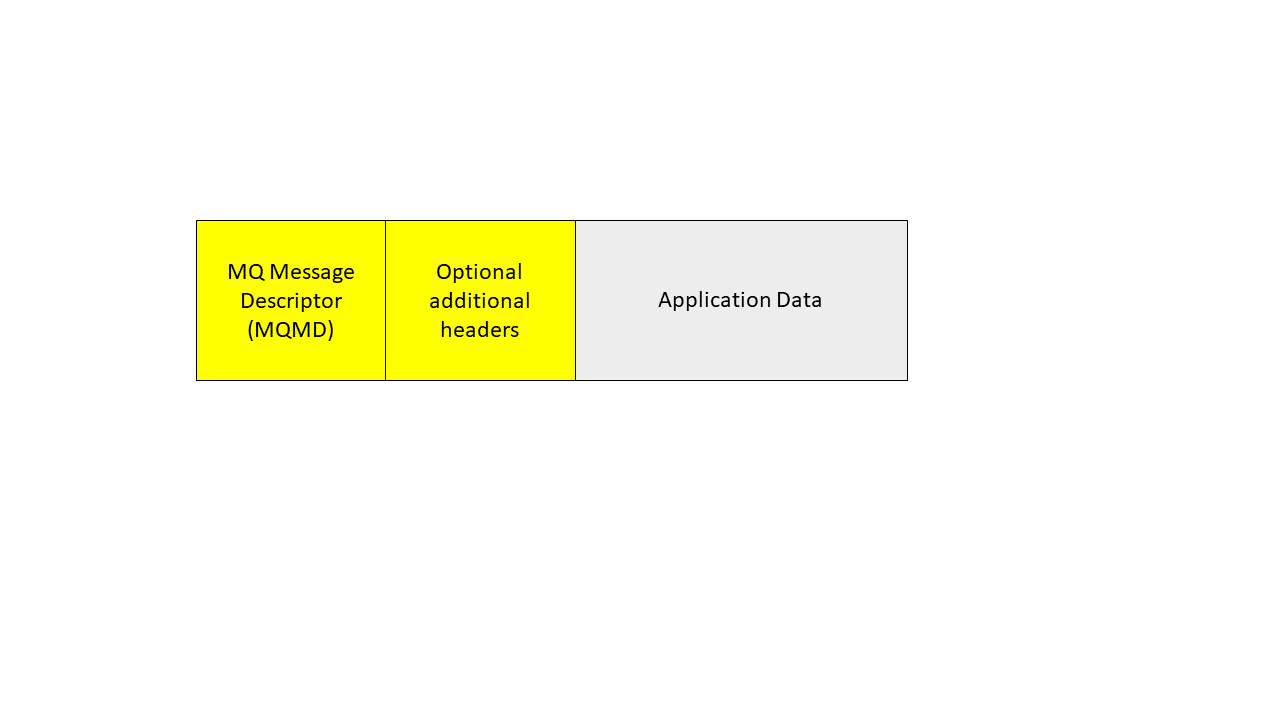
Parts of MQ messages

  • Application Data – Content and structure defined and understood by the application program
  • Header or Message Descriptor (MQMD) – Contains control information like type of message and priority which are understood and used by MQ
  • Can contains optional headers that contain information about message structure, intended consumers, and message properties

Other aspects of MQ Messages

  • Default length is 4 MB; the max length is 100 MB
  • Length can be restricted by the definition of MQ objects and the system storage
  • Messages can be segmented or grouped

Headers typically contain elements like:

  • Unique Message Id
  • Routing information
  • Message format

Few examples of the application data part of a message:

  • A row from a DB2 table
  • A record from an indexed or flat file
  • Individual columns from DB2 tables
  • Multiple rows or records

MQ Message Descriptor (Header) has the following info :

  • Message ID/Correlation ID
  • Date and time
  • Persistent/Non persistent
  • Version
  • Priority
  • Life time of a message
  • Coded Character Set Id
  • Format
  • Sender application and type
  • Segmentation/Grouping information
  • Report options/Feedback
  • Back out counter

MQ Message Types

Based on Retention Types, messages can be :

  • Persistent
  • Non-persistent

Functionally, MQ Messages can be :

  • Datagram
  • Request
  • Reply
  • Report


Share
Categories
English Middleware Technical

Introduction to IBM MQ – Part 1

Introduction to IBM MQ

Part 1

What is IBM MQ ?

  • IBM MQ is a message oriented middleware that can transport any type of data as messages.
  • Enables businesses to build flexible, reusable architectures such as service oriented architecture (SOA) environments or microservice architecture environments.
  • It provides a reliable “store-and-forward” transport for program-to-program communication.

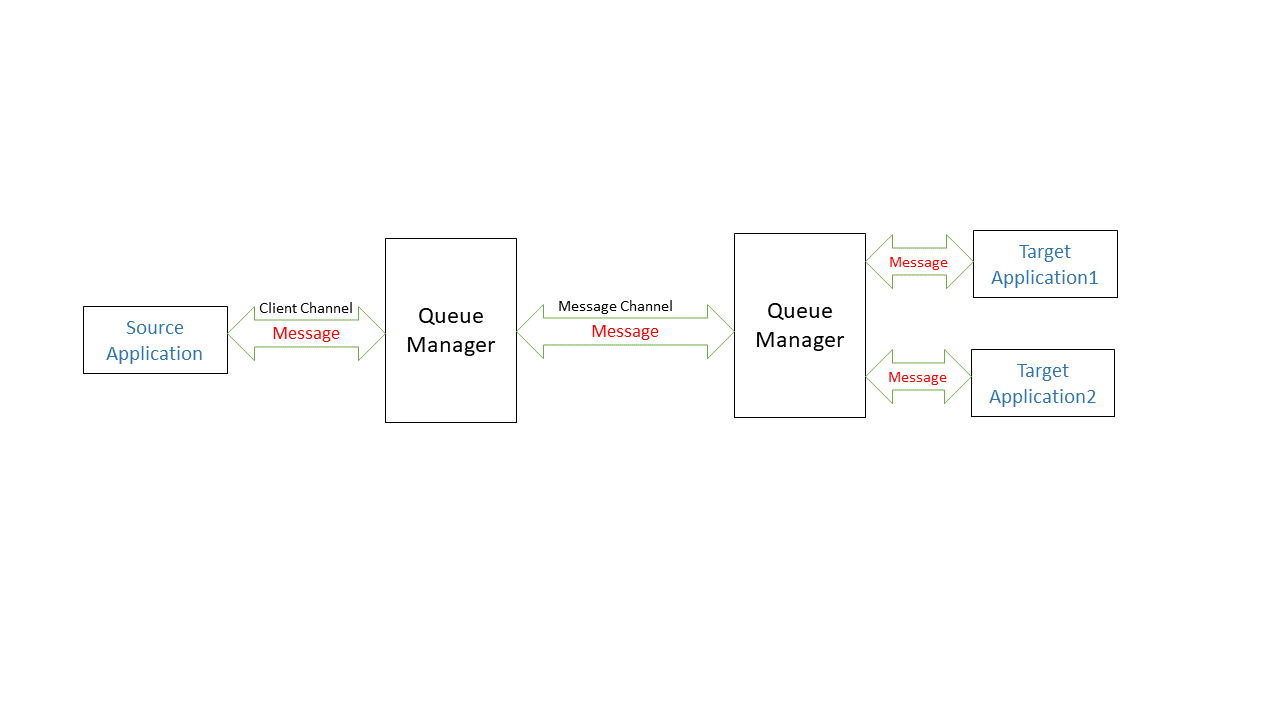
IBM MQ is made up of one or more queue managers. Queue managers are where messaging resources, such as queues, are configured and what applications connect to, either running on the same system as the queue manager or over the network.

Message delivery over a network of connected queue managers is assured (because IBM MQ exchanges messages transactionally) and decoupled (because applications do not have to check that messages they sent are delivered safely) from the application.

Using MQ system, messages can be exchanged between applications running across dissimilar systems such as Windows, Linux, z/OS, IBM i, etc. Application programmers do not need to have communications programming knowledge in order to send and receive messages across the MQ system.

You can secure message delivery between queue managers with TLS. With Advanced Message Security (AMS), you can encrypt and sign messages between being put by one application and retrieved by another.

In summary, IBM MQ provides effective messaging which implies reliability, universal connectivity, flexibility and scalability.

Modes of Operation

IBM MQ can operate in the following modes :

Messaging

Programs communicate by sending each other data in messages rather than by calling each other directly.

Queuing

Messages are placed on queues, so that programs can run independently of each other, at different speeds and times, in different locations, and without having a direct connection between them.

Point-to-point

Applications send messages to a queue and receive messages from a queue. Each message is consumed by a single instance of an application. The sender must know the name of the destination, but not where it is.

Publish/subscribe

Applications subscribe to topics. When an application publishes a message on a topic, IBM MQ sends copies of the message to those subscribing applications. The publisher does not know the names of subscribers, or where they are coming from.

File transfer

Files are transferred in messages. Managed File Transfer manages the transfer of files and the administration to set up automated transfers and log the results.

Telemetry

MQ Telemetry provides an IBM MQ Telemetry Transport (MQTT) server that extends your IBM MQ environment to the “Internet of Things” – that is, the numerous mobile, web and M2M devices and applications that sit at the edge of the network.

Components of MQ System

The MQ system mostly consists of the following components :

  • Messageswhich contain application data
  • Queueswhich hold messages
  • Channelswhich connect queue managers and client applications
  • Queue manager – which manages messages, queues, channels, and other IBM MQ services and resources

An MQ server controls the computer that contains the MQ configuration. Computers that contain client applications that must connect to the MQ server must also have an MQ client installation. It is possible to have both an MQ server and an MQ client installation on the same computer.


Share