இனிய புத்தாண்டு வாழ்த்துக்கள் !
Happy New Year !
 thenthidal | தென்திடல்


This is a tutorial session on IBM WebSphere MQ Distributed Queuing and Triggering in Mint / Ubuntu Linux Environment. The tutorial is split into two parts.
Part 1 : Installation of IBM MQ v9.0 trial version on Mint / Ubuntu / Debian Linux and creation of Queue managers.
Part 2: Continues with the same Linux installation of Part 1, and further demonstrates key concepts such as MQ Listener, MQ Sender & Receiver channels, MQ Local queues, alias queues, remote queues, transmission queues, inititiation queues, dead letter queues, MQ channel initiator, MQ Triggering, Trigger monitoring, etc.
The links to the video are given below.
Part 1 Video :
Part 2 Video:


Type 2 diabetes can be cured through diet and lifestyle changes. Natural herbal supplements can help stabilize blood sugar level. Also there are some herbs which can lower blood sugar. Furthermore, herbs and spices give additional health benefits apart from balancing blood sugar.
Following is a list of some of the herbs and spices that could lower blood sugar :
1) Cinnamon – This spice contains 18% polyphenol content in dry weight. Because of that, it can improve insulin sensitivity and has a positive effect on glycemic control and lipid profile on diabetes patients.
2) Cloves – Contains 30% of the antioxidant phenol, alongside antioxidants anthocyanins and quercetin. Hence they have germicidal and anti-septic properties. Also provides anti-inflammatory, analgesic and digestive health benefits for diabetics.
3) Curry Leaves – They help to stabilize blood glucose levels and impact carbohydrate metabolism. According to a study, curry leaves contain a phytochemical that can help control blood sugar level in patients with Diabetes type 2 by reducing fasting and postprandial blood sugar level.
4) Turmeric – It has antibacterial, anti-inflammatory and antioxidant properties. All these properties help diabetics manage more stable blood sugar levels.

5) Ginger – It has the ability to normalize blood sugar levels. According to some of the studies, ginger extract can have a significant anti-hyperglycemic effect. It lowers serum total cholesterol, triglycerides and increases the HDL-cholesterol levels.


People say that fasting has benefits for the spiritual life as well as for the health. So what are the health benefits associated with fasting ?

Some of the rules for naming MQ objects such as queue managers and queues are given below :
Queue managers, Queues, Process definitions, Namelists, Clusters, Listeners, Services, Authentication information objects and Topics and subscriptions
A message is any information that one application uses to communicate to another. A message can convey a request for a service, or it can be a reply to a request. A message might also report on the progress of another message: to confirm its arrival or report on an error, for example. A message can also carry information for which no reply is expected.
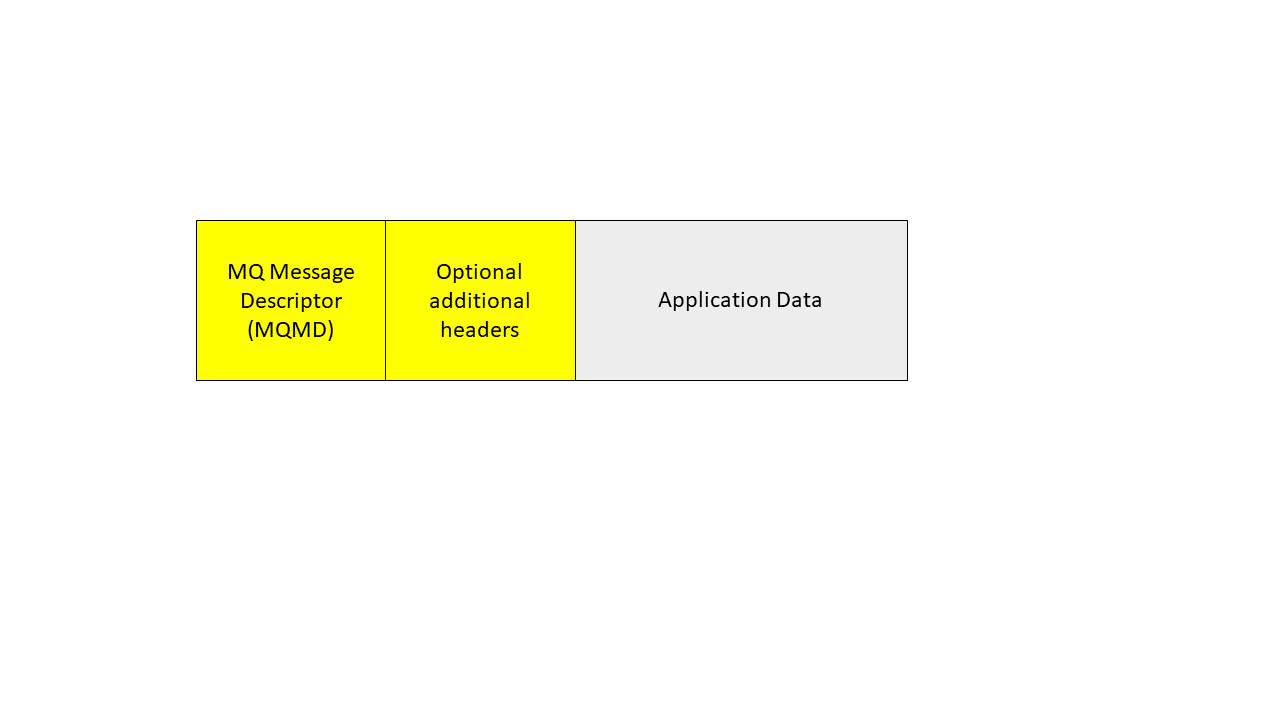
Parts of MQ messages
Other aspects of MQ Messages
Headers typically contain elements like:
Few examples of the application data part of a message:
MQ Message Descriptor (Header) has the following info :
Based on Retention Types, messages can be :
Functionally, MQ Messages can be :

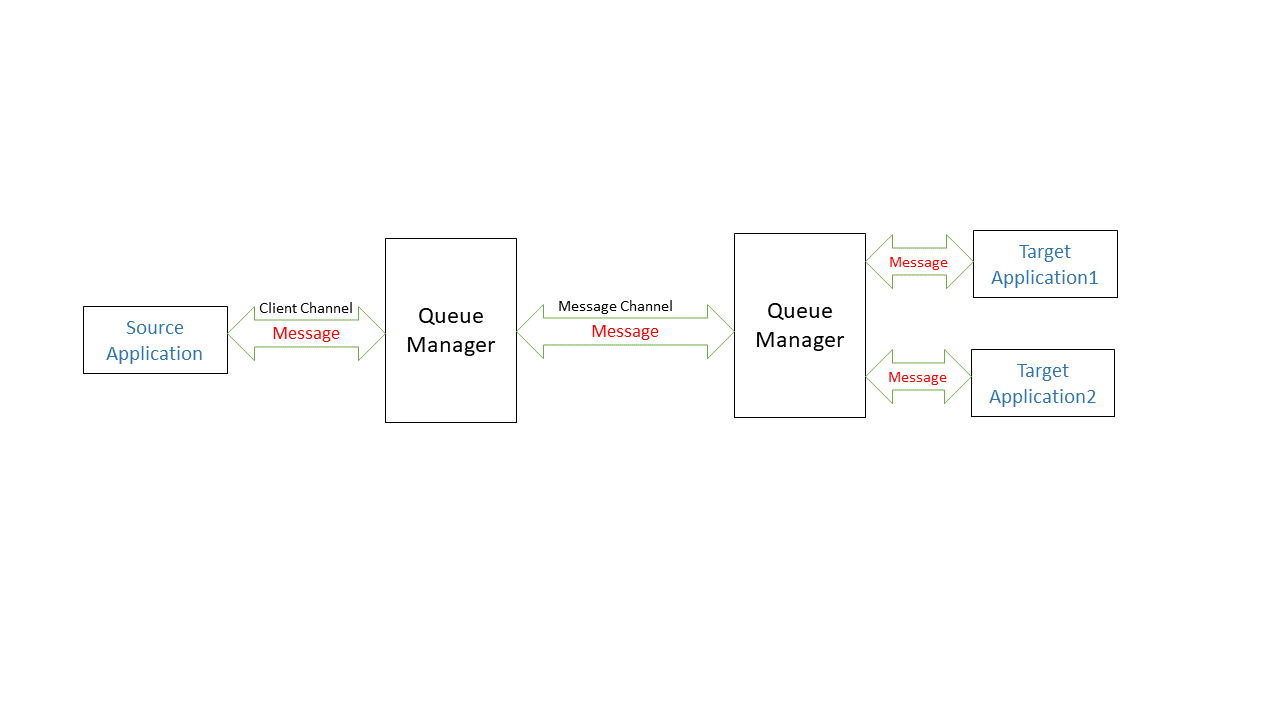
IBM MQ is made up of one or more queue managers. Queue managers are where messaging resources, such as queues, are configured and what applications connect to, either running on the same system as the queue manager or over the network.
Message delivery over a network of connected queue managers is assured (because IBM MQ exchanges messages transactionally) and decoupled (because applications do not have to check that messages they sent are delivered safely) from the application.

Using MQ system, messages can be exchanged between applications running across dissimilar systems such as Windows, Linux, z/OS, IBM i, etc. Application programmers do not need to have communications programming knowledge in order to send and receive messages across the MQ system.
You can secure message delivery between queue managers with TLS. With Advanced Message Security (AMS), you can encrypt and sign messages between being put by one application and retrieved by another.
In summary, IBM MQ provides effective messaging which implies reliability, universal connectivity, flexibility and scalability.
IBM MQ can operate in the following modes :
Programs communicate by sending each other data in messages rather than by calling each other directly.
Messages are placed on queues, so that programs can run independently of each other, at different speeds and times, in different locations, and without having a direct connection between them.
Applications send messages to a queue and receive messages from a queue. Each message is consumed by a single instance of an application. The sender must know the name of the destination, but not where it is.
Applications subscribe to topics. When an application publishes a message on a topic, IBM MQ sends copies of the message to those subscribing applications. The publisher does not know the names of subscribers, or where they are coming from.
Files are transferred in messages. Managed File Transfer manages the transfer of files and the administration to set up automated transfers and log the results.
MQ Telemetry provides an IBM MQ Telemetry Transport (MQTT) server that extends your IBM MQ environment to the “Internet of Things” – that is, the numerous mobile, web and M2M devices and applications that sit at the edge of the network.
The MQ system mostly consists of the following components :
An MQ server controls the computer that contains the MQ configuration. Computers that contain client applications that must connect to the MQ server must also have an MQ client installation. It is possible to have both an MQ server and an MQ client installation on the same computer.