
Categories
Antioxidants Food Health

Antioxidants

Antioxidants are essential for maintaining a healthy body and reducing the risk of chronic diseases. These powerful nutrients help protect the body from harmful free radicals, which can damage cells and contribute to aging and disease. Here are some foods that are loaded with antioxidants and can help you maintain optimal health.

  1. Berries: Berries are rich in antioxidants like anthocyanins, which can help reduce inflammation, improve heart health, and promote healthy aging. Some of the best berries for antioxidants include blueberries, strawberries, raspberries, and blackberries.
  2. Dark Chocolate: Dark chocolate is rich in flavonoids, which are antioxidants that can help lower blood pressure, reduce inflammation, and improve heart health. Make sure to choose chocolate that is at least 70% cocoa to get the most antioxidants.
  3. Nuts: Nuts are a great source of antioxidants and healthy fats. Almonds, pistachios, and walnuts are especially high in antioxidants like vitamin E, which can help protect cells from damage and reduce the risk of chronic diseases.
  4. Leafy Greens: Leafy greens like spinach, kale, and collard greens are packed with antioxidants like vitamin C and beta-carotene. These nutrients can help reduce inflammation and protect against chronic diseases like cancer and heart disease.
  5. Tomatoes: Tomatoes are rich in lycopene, an antioxidant that can help reduce the risk of heart disease and certain types of cancer. Cooked tomatoes, like in tomato sauce or soup, are especially high in lycopene.
  6. Beans: Beans are a great source of antioxidants like polyphenols and can help reduce inflammation and improve heart health. Some of the best beans for antioxidants include kidney beans, black beans, and pinto beans.
  7. Spices: Many spices are loaded with antioxidants and can help reduce inflammation and improve overall health. Some of the best spices for antioxidants include turmeric, ginger, cinnamon, and oregano.

Incorporating antioxidant-rich foods into your diet can help protect your body from free radicals, reduce inflammation, and lower the risk of chronic diseases. By adding these foods to your meals and snacks, you can support optimal health and wellbeing. So, go ahead and indulge in some dark chocolate, sprinkle some cinnamon on your oatmeal, or enjoy a colorful salad loaded with berries and leafy greens. Your body will thank you for it!

Share
Categories
Food Health

Food for Middle Aged People – Good vs Bad

As we enter middle age, our bodies undergo various changes, and it becomes increasingly important to maintain a healthy and balanced diet to support our overall health and wellbeing. Here are some foods that are good and bad for middle-aged people.

Good Foods for Middle-Aged People:

  1. Leafy Greens: Leafy greens like spinach, kale, and collard greens are rich in vitamins and minerals, and they contain antioxidants that can help reduce inflammation and protect against chronic diseases.
  2. Fatty Fish: Fatty fish like salmon, tuna, and sardines are high in omega-3 fatty acids, which can help reduce inflammation, lower cholesterol levels, and improve brain function.
  3. Whole Grains: Whole grains like brown rice, quinoa, and oats are a great source of fiber, which can help lower cholesterol levels, regulate blood sugar, and promote healthy digestion.
  4. Berries: Berries like blueberries, strawberries, and raspberries are rich in antioxidants and can help reduce inflammation, improve heart health, and promote brain function.
  5. Nuts and Seeds: Nuts and seeds like almonds, walnuts, chia seeds, and flaxseeds are a great source of healthy fats, protein, and fiber, which can help reduce inflammation and improve heart health.

Bad Foods for Middle-Aged People:

  1. Processed Foods: Processed foods like chips, cookies, and frozen dinners are often high in calories, sodium, and unhealthy fats, which can contribute to weight gain, high blood pressure, and other chronic diseases.
  2. Sugary Drinks: Sugary drinks like soda, energy drinks, and sports drinks are high in calories and sugar and can contribute to weight gain and an increased risk of chronic diseases like diabetes and heart disease.
  3. Red Meat: Red meat like beef, pork, and lamb can be high in saturated fats, which can contribute to high cholesterol levels and an increased risk of heart disease.
  4. Fried Foods: Fried foods like french fries and fried chicken can be high in calories and unhealthy fats, which can contribute to weight gain and an increased risk of chronic diseases.
  5. Alcohol: While moderate alcohol consumption can have health benefits, excessive alcohol consumption can contribute to weight gain, high blood pressure, and an increased risk of chronic diseases like liver disease and certain types of cancer.

A healthy and balanced diet is essential for middle-aged people to maintain optimal health and wellbeing. By incorporating these good foods into their diet and limiting or avoiding these bad foods, middle-aged people can support their overall health and reduce their risk of chronic diseases.

Share
Categories
Food Health

Which food will help seniors?

As we age, it becomes increasingly important to maintain a healthy and balanced diet to ensure optimal health and wellbeing. Here are some specific foods that can benefit seniors and provide them with the necessary nutrients to support their aging bodies.

Firstly, fruits and vegetables are an essential component of a healthy diet for seniors. They are high in vitamins, minerals, and antioxidants that can help protect against chronic diseases. Seniors should aim to consume a variety of colorful fruits and vegetables, including leafy greens, berries, citrus fruits, and cruciferous vegetables.

Whole grains are another important food group for seniors. They are a great source of fiber, which can help lower cholesterol levels and prevent constipation. Whole grains also contain important vitamins and minerals, such as B vitamins, iron, and zinc. Seniors should incorporate whole grain products like brown rice, whole wheat bread, and quinoa into their meals.

Lean protein is also crucial for seniors to maintain muscle mass and strength. Good sources of protein include lean meats like chicken and turkey, fish like salmon and tuna, beans, and tofu. Seniors who are vegetarian or vegan can opt for plant-based protein sources like tempeh and lentils.

Dairy products like milk, yogurt, and cheese are important sources of calcium and vitamin D, which are essential for bone health. Seniors should aim to consume low-fat or fat-free dairy products to reduce their intake of saturated fats. Seniors who are lactose intolerant can opt for non-dairy alternatives like almond milk, soy milk, and fortified orange juice.

Lastly, nuts and seeds are a great source of healthy fats, protein, and fiber. Seniors can include nuts and seeds like almonds, walnuts, chia seeds, and flaxseeds in their diet. These foods can help lower cholesterol levels, reduce inflammation, and provide the body with essential nutrients.

In conclusion, a healthy and balanced diet is important for seniors to maintain optimal health and wellbeing. By incorporating these nutrient-rich foods into their diet, seniors can ensure that they are getting all the necessary vitamins and minerals to support their aging bodies.


Share
Categories
Food Health

Food that may have to be avoided by seniors

As we age, it’s important to be mindful of the foods we eat to maintain good health and prevent certain conditions. Here are some foods that seniors may want to avoid for optimal health!

  1. Sugary treats: Sorry seniors, but it’s time to say goodbye to those daily donuts and candy bars. Excessive sugar consumption can increase the risk of diabetes, heart disease, and other health complications. But don’t worry, there are plenty of sugar-free and low-sugar alternatives to satisfy your sweet tooth!
  2. Fried foods: Fried foods may be delicious, but they’re not doing your health any favours. They can increase the risk of heart disease, high blood pressure, and other health complications. Instead, opt for grilled, baked, or broiled options for a healthier meal.
  3. Processed foods: Many processed foods are high in sodium, preservatives, and other additives that can increase the risk of heart disease, high blood pressure, and other health complications. Stick to whole, natural foods for optimal health.
  4. Alcohol: While a glass of wine with dinner can be enjoyable, excessive alcohol consumption can increase the risk of falls, liver disease, and other health complications. Stick to moderate alcohol consumption or avoid it altogether if you have a history of alcohol abuse or other health conditions.
  5. Caffeine: While a cup of coffee can be a great way to start the day, excessive caffeine consumption can increase the risk of heart palpitations, anxiety, and other health complications. Stick to moderate caffeine consumption or switch to decaf if you’re sensitive to caffeine.
  6. Spicy foods: Spicy foods can be a delicious addition to any meal, but they can also irritate the digestive system and increase the risk of heartburn and other digestive issues. If you’re sensitive to spicy foods, consider opting for milder options.
  7. High-fat foods: While some fats are necessary for good health, excessive consumption of high-fat foods can increase the risk of heart disease, high blood pressure, and other health complications. Stick to healthy fats such as those found in nuts, seeds, and fatty fish.

Overall, a healthy diet is essential for good health at any age. By avoiding these common food pitfalls, seniors can maintain good health and enjoy all the other benefits of aging gracefully – including the wisdom to know what foods to avoid!

Share
Categories
Health Stroke

Stroke – Causes and Prevention

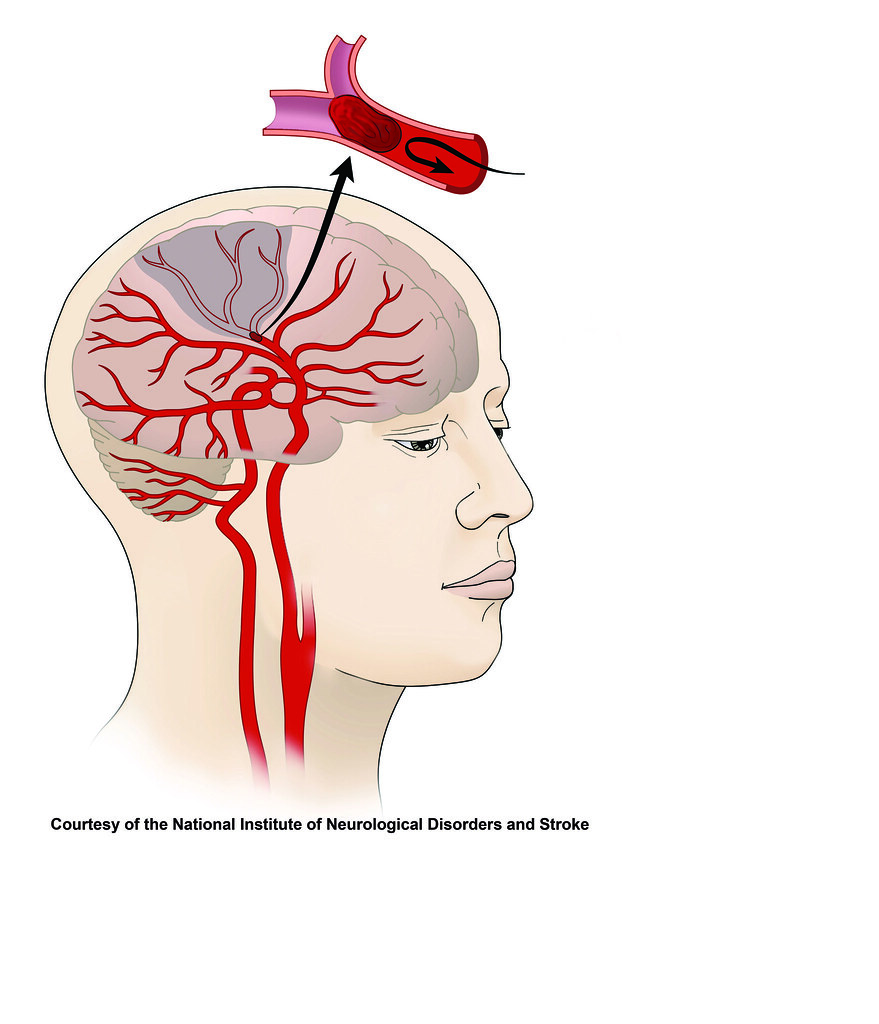
A stroke is a serious medical condition that occurs when blood flow to the brain is interrupted, either due to a blockage or a burst blood vessel. It can cause lasting damage to the brain and even be fatal in some cases. Here are some common causes of stroke and ways to prevent it:

  1. High blood pressure: High blood pressure is a leading cause of stroke. To prevent stroke caused by high blood pressure, it’s important to maintain a healthy weight, exercise regularly, eat a healthy diet, and manage stress. If you have high blood pressure, take any prescribed medications as directed by your healthcare provider.
  2. Smoking: Smoking is a major risk factor for stroke, as it can damage blood vessels and increase the risk of blood clots. Quitting smoking can greatly reduce your risk of stroke, as well as improve your overall health.
  3. Diabetes: People with diabetes are at an increased risk of stroke due to damage to blood vessels and increased risk of blood clots. To prevent stroke caused by diabetes, it’s important to manage blood sugar levels through a healthy diet, exercise, and medication as prescribed by your healthcare provider.
  4. High cholesterol: High levels of LDL or “bad” cholesterol can contribute to the buildup of plaque in the arteries, increasing the risk of stroke. To prevent stroke caused by high cholesterol, follow a healthy diet low in saturated and trans fats, exercise regularly, and take any prescribed medications as directed by your healthcare provider.
  5. Atrial fibrillation: Atrial fibrillation is an irregular heart rhythm that can cause blood clots to form in the heart, which can then travel to the brain and cause a stroke. To prevent stroke caused by atrial fibrillation, it’s important to manage the condition through medications or other treatments as prescribed by your healthcare provider.
  6. Sedentary lifestyle: A sedentary lifestyle, with little physical activity, can increase the risk of stroke. To prevent stroke caused by a sedentary lifestyle, aim for at least 150 minutes of moderate-intensity exercise per week, such as brisk walking or cycling.
  7. Excessive alcohol intake: Excessive alcohol intake can increase blood pressure and contribute to the buildup of plaque in the arteries, increasing the risk of stroke. To prevent stroke caused by excessive alcohol intake, limit your alcohol consumption to no more than one drink per day for women and two drinks per day for men.

By taking steps to maintain good health and manage any underlying conditions, you can help reduce your risk of stroke. If you have concerns about your risk of stroke, talk to your healthcare provider about ways to manage your risk and promote good health.

Share
Categories
Cardiac Arrest Health

Causes of cardiac arrest

Cardiac arrest is a sudden and unexpected loss of heart function that can be fatal if not treated immediately. It occurs when the heart’s electrical system malfunctions, causing an irregular heartbeat or stopping the heart altogether. Here are some common causes of cardiac arrest and ways to prevent it:

  1. Heart disease: The most common cause of cardiac arrest is heart disease, which can include conditions such as coronary artery disease, heart attack, and heart failure. To prevent cardiac arrest caused by heart disease, it’s important to manage risk factors such as high blood pressure, high cholesterol, and diabetes. Follow a healthy diet, exercise regularly, and take any prescribed medications as directed by your healthcare provider.
  2. Arrhythmias: Arrhythmias are abnormal heart rhythms that can cause cardiac arrest. Some arrhythmias may be caused by underlying heart disease, while others may be due to inherited conditions or electrolyte imbalances. If you have a history of arrhythmias or a family history of sudden cardiac death, talk to your healthcare provider about ways to manage your risk.
  3. Electrolyte imbalances: Electrolytes are minerals in the body that help regulate heartbeat and other bodily functions. Imbalances in electrolytes such as potassium, calcium, and magnesium can disrupt heart function and lead to cardiac arrest. Maintaining a healthy diet and staying hydrated can help prevent electrolyte imbalances.
  4. Drug overdose: Certain drugs, such as opioids and stimulants, can cause cardiac arrest if taken in high doses or combined with other substances. To prevent drug-related cardiac arrest, avoid drug use or seek treatment for substance abuse.
  5. Trauma: Traumatic injuries to the chest, such as those caused by a car accident or sports injury, can damage the heart and cause cardiac arrest. Wear protective gear when participating in sports or other activities that may result in chest trauma.
  6. Genetic factors: Some genetic conditions, such as long QT syndrome or hypertrophic cardiomyopathy, can increase the risk of cardiac arrest. If you have a family history of sudden cardiac death or a known genetic condition, talk to your healthcare provider about screening and management options.

Overall, preventing cardiac arrest involves maintaining good heart health and managing any underlying conditions that may increase the risk. If you have concerns about your heart health or risk of cardiac arrest, talk to your healthcare provider.

Share
Categories
Alzheimer's disease Dimentia Health

Preventing alzheimer’s disease and dimentia

Alzheimer’s disease is a progressive and degenerative brain disorder that affects memory, thinking, and behavior. It is the most common cause of dementia, a group of brain disorders that cause a decline in cognitive abilities and interfere with daily activities.

Alzheimer’s disease typically begins with mild symptoms such as forgetfulness and difficulty remembering recent events. As the disease progresses, individuals may experience confusion, disorientation, and difficulty communicating. They may also develop personality changes, depression, and anxiety. In advanced stages of the disease, individuals may lose the ability to recognize loved ones or perform basic tasks such as dressing and eating.

Alzheimer’s disease is caused by the buildup of abnormal proteins in the brain, including beta-amyloid plaques and tau tangles, which interfere with the communication between brain cells and cause cell death. The exact cause of the disease is still unknown, but researchers believe that a combination of genetic, environmental, and lifestyle factors may contribute to its development.

There is currently no cure for Alzheimer’s disease, but medications and lifestyle changes can help manage symptoms and improve quality of life. Treatment options may include medication to improve cognitive function, physical and occupational therapy, and support services for both the individual with the disease and their caregivers. Researchers continue to study the disease and search for new treatments and ways to prevent its onset.

Prevention

While there is no known way to completely prevent Alzheimer’s disease and dementia, there are steps you can take to potentially reduce your risk or delay the onset of symptoms. Here are some ways to help promote brain health and reduce your risk of cognitive decline:

  1. Stay physically active: Regular exercise has been shown to help improve brain health and reduce the risk of cognitive decline. Aim for at least 30 minutes of moderate-intensity exercise most days of the week.
  2. Follow a healthy diet: A diet that is high in fruits, vegetables, whole grains, lean proteins, and healthy fats has been linked to better brain health. Avoid diets high in saturated and trans fats, as well as excessive alcohol intake.
  3. Keep your mind active: Engage in mentally stimulating activities, such as reading, playing games, or learning a new skill. This can help keep your brain active and may reduce the risk of cognitive decline.
  4. Stay socially engaged: Social interaction and staying connected with others can help promote brain health and may reduce the risk of cognitive decline. Join a club, volunteer, or participate in community activities.
  5. Get enough sleep: Getting enough restful sleep is important for overall brain health. Aim for 7-8 hours of sleep each night.
  6. Manage chronic conditions: Chronic health conditions, such as high blood pressure, diabetes, and high cholesterol, can increase the risk of cognitive decline. Work with your healthcare provider to manage any chronic conditions and keep them under control.
  7. Protect your head: Traumatic brain injuries have been linked to an increased risk of cognitive decline. Wear a helmet when riding a bike or participating in contact sports, and take steps to prevent falls, such as removing tripping hazards in your home.

While there is no guaranteed way to prevent Alzheimer’s disease and dementia, these lifestyle habits may help promote brain health and reduce the risk of cognitive decline. Consult with your healthcare provider if you have any concerns about your brain health or cognitive function.

Share
Categories
Diabetes Health

Healthy Lifestyle for Type-2 Diabetes

Living with diabetes can be challenging, but it doesn’t mean you have to give up everything you love. Incorporating a healthy lifestyle into your daily routine can actually be quite enjoyable – and even humorous at times. So, let’s take a look at some tips for a healthy lifestyle.

First up, we have exercise. Exercise is essential for managing diabetes, but it doesn’t have to be boring. Try a dance class, a walking routine or a yoga session. Just remember, if you’re doing yoga, it’s called “downward dog”, not “downward donut”.

Next, let’s talk about food. Eating healthy doesn’t have to be bland and boring. In fact, there are plenty of delicious and nutritious options out there. Try swapping out your morning donut for two slices of sprouted multigrain bread together with eggs or a bowl of oatmeal topped with fruit. It’s like a party in your mouth, but without the sugar crash.

Another important aspect of a healthy lifestyle is hydration. Drinking water is key for regulating blood sugar levels, but it can be hard to remember to drink enough. Try adding a slice of lemon or cucumber to your water for some added flavor. Just don’t add too much, or it might start to taste like you’re drinking a salad.

Stress management is also important for managing diabetes. Try incorporating some relaxation techniques into your daily routine, such as meditation or deep breathing exercises. Reciting your familiar prayers is also a kind of meditation. Just remember, if you’re meditating and your mind starts to wander, it’s okay – even monks struggle with staying focused sometimes.

Getting enough sleep is essential for overall health, but it can be hard to get the recommended 7-8 hours per night. Try creating a relaxing bedtime routine, such as reading a book or taking a warm bath. Just don’t fall asleep in the tub – prune fingers are not a good look.

Keeping a Balanced Diet

A healthy and balanced diet can certainly help manage and even prevent the development of type 2 diabetes. Eating a variety of nutrient-rich foods in appropriate portions and limiting intake of unhealthy processed foods and sugary drinks can help regulate blood sugar levels and improve overall health. Here are some foods that can be part of a healthy diet for people with diabetes:

  1. Non-starchy vegetables: Vegetables such as spinach, kale, broccoli, and green beans are low in calories and high in nutrients, including fiber and vitamins. They also have a low glycemic index, which means they won’t cause a sudden spike in blood sugar levels.
  2. Whole grains: Whole grains, such as brown rice, quinoa, and whole wheat bread, are high in fiber and contain important nutrients. They also have a lower glycemic index than refined grains, which means they can help regulate blood sugar levels.
  3. Lean proteins: Lean proteins, such as chicken, fish, and tofu, can help manage blood sugar levels by providing a steady source of energy without causing spikes in blood sugar.
  4. Legumes: Legumes, such as beans, lentils, and chickpeas, are high in fiber and protein, which can help regulate blood sugar levels and keep you feeling full.
  5. Fruits: Fruits are a healthy source of vitamins, minerals, and fiber. However, some fruits can be high in sugar, so it’s important to monitor your intake and choose fruits with a lower glycemic index, such as berries and apples.

In conclusion, living a healthy lifestyle with diabetes can be enjoyable and even humorous at times. Incorporating exercise, healthy food options, hydration, stress management, and sleep into your daily routine can help manage diabetes and improve overall health. And remember, laughter is the best medicine – even if it’s just a chuckle at the fact that you’re drinking cucumber water instead of soda.

Share
Categories
Daily Exercise Health

Relaxation Techniques

We live in a fast-paced world where stress and anxiety seem to be the norm. But, it doesn’t have to be that way. Incorporating relaxation techniques into your daily life can help you unwind and de-stress, and ultimately lead to a more fulfilling and enjoyable life. So, let’s take a look at some relaxation techniques that you can easily integrate into your daily routine.

First on the list, we have deep breathing exercises. When you’re feeling overwhelmed, taking a few deep breaths can do wonders for your mood and overall well-being. Simply inhale for a count of four, hold for a count of seven, and exhale for a count of eight. It’s like yoga, but without the fancy pants.

Next up, we have meditation. Meditation can be an effective way to reduce stress and anxiety, but let’s be real – sitting in silence for 30 minutes isn’t everyone’s cup of tea. If that’s the case for you, try a guided meditation app. It’s like having a personal Zen master in your pocket, but without the awkward chanting.

Another great way to relax is through exercise. Exercise releases endorphins, which can help improve your mood and reduce stress. If the thought of going to the gym sounds like a chore, try going for a walk or a hike. Just don’t try to run from your problems – it never ends well.

Aromatherapy is also a fantastic relaxation technique. Essential oils like lavender, chamomile, and peppermint can help soothe your mind and body. Just be careful not to overdo it – you don’t want to smell like a walking perfume store.

Lastly, we have laughter. Laughter is truly the best medicine, and it’s one of the easiest relaxation techniques to incorporate into your daily life. Watch a funny movie or TV show, read a humorous book, or even try laughter yoga – it’s like regular yoga, but with more giggling.

Relaxation techniques are essential for a healthy, happy life. Whether it’s deep breathing exercises, meditation, exercise, aromatherapy, or laughter, find what works for you and make it a part of your daily routine. And remember, don’t take life too seriously – nobody gets out alive anyway!

Share
Categories
Daily Exercise Health

The Simple Exercise That Will Help Improve Your Health Immensely

Walking is one of the easiest ways to incorporate physical activity into your daily routine. You don’t need any fancy equipment or a gym membership to start walking. All you need is a comfortable pair of shoes, and you’re good to go. Walking is a low-impact exercise that is easy on your joints, making it ideal for people of all ages and fitness levels.

One of the most significant benefits of daily walking is that it helps improve your cardiovascular health. Walking gets your heart pumping and increases blood flow throughout your body, which helps improve your overall heart health. It can also help lower your blood pressure and reduce your risk of developing heart disease, stroke, and other cardiovascular conditions.

Walking can also help you lose weight or maintain a healthy weight. When you walk regularly, you burn calories, which can help you shed those extra pounds. Walking is an excellent form of exercise for those who are looking to lose weight, as it’s low-impact and easy to incorporate into your daily routine.

Daily walking can also improve your mental health. Walking outdoors can help reduce stress, anxiety, and depression. The fresh air and sunshine can boost your mood and give you a much-needed break from the stresses of daily life. Walking can also help improve your cognitive function and memory, making it an excellent way to start your day.

Finally, walking can be a great way to connect with others. You can join a walking group or invite friends and family members to join you on your daily walks. Walking can be a social activity that can help you build new relationships and strengthen existing ones.

In conclusion, daily walking is an excellent way to improve your physical and mental health. It’s a simple yet effective form of exercise that can help you achieve your fitness goals and lead a healthier, happier life. So, put on those walking shoes and start walking today!

Share