
Categories
Health Herbal Remedies

Ashwagandha: A Natural Health Elixir

In the realm of herbal remedies, Ashwagandha (withania somnifera) is one of the few plants which possess remarkable healing potential. With its origins rooted in ancient Ayurvedic medicine, this adaptogenic herb has gained widespread recognition for its numerous health benefits. From stress reduction to immune system support, ashwagandha has captured the attention of health enthusiasts and researchers alike. In this blog post, we explore the incredible health benefits of ashwagandha, shedding light on its potential to transform your well-being.

  1. Stress Reduction and Improved Mental Well-being

In today’s fast-paced world, managing stress is a top priority for many. Ashwagandha shines as a potent adaptogen, helping the body adapt to stressors and promote balance. Its active compounds, including withanolides, interact with the hypothalamus-pituitary-adrenal (HPA) axis, reducing cortisol levels and alleviating stress symptoms. Regular consumption of ashwagandha has been associated with reduced anxiety, enhanced mood, and improved overall mental well-being.

  1. Enhanced Cognitive Function and Memory

The benefits of ashwagandha extend beyond stress reduction, encompassing cognitive function and memory enhancement. Research suggests that ashwagandha has neuroprotective properties, protecting brain cells from oxidative damage and promoting nerve cell regeneration. Additionally, this remarkable herb has been shown to support cholinergic activity, which plays a crucial role in memory and cognitive processes. Incorporating ashwagandha into your routine may sharpen your focus, improve memory retention, and support cognitive vitality.

  1. Revitalized Energy and Vitality

If you’re seeking an energy boost and enhanced vitality, ashwagandha may be the answer. This adaptogenic herb helps improve physical endurance, reduce fatigue, and promote overall energy levels. By supporting healthy adrenal function and optimizing mitochondrial activity, ashwagandha aids in the production and utilization of energy within the body. Adding ashwagandha to your daily regimen may provide the sustainable energy you need to conquer your daily tasks and embrace an active lifestyle.

  1. Immune System Support

A strong immune system is vital for warding off illness and maintaining overall well-being. Ashwagandha has been recognized for its immune-modulating properties, helping to balance immune responses in the body. It promotes the production of white blood cells, enhances natural killer cell activity, and supports the body’s defense mechanisms against pathogens. By incorporating ashwagandha into your routine, you can fortify your immune system and increase your resilience against infections and diseases.

  1. Hormonal Balance and Libido Boost

Ashwagandha has long been revered for its ability to promote hormonal balance, particularly in women. It supports healthy thyroid function, which plays a crucial role in regulating metabolism and hormone production. Furthermore, ashwagandha has been associated with increased libido and sexual function. Its adaptogenic properties help reduce stress-related sexual dysfunction and support reproductive health. Incorporating ashwagandha into your lifestyle may promote hormonal equilibrium and enhance your intimate well-being.

Conclusion

Ashwagandha, the treasured herb of Ayurvedic medicine, offers a multitude of health benefits. From stress reduction and enhanced cognitive function to immune system support and hormonal balance, this adaptogenic powerhouse has the potential to revolutionize your well-being. Whether consumed in powdered form, as a supplement, or brewed as a tea, ashwagandha holds the key to unlocking your body’s innate healing potential. Embrace the wonders of this natural elixir and embark on a transformative journey toward optimal health with ashwagandha as your trusted ally.

Share
Categories
Health

The Power of Ginseng

Ginseng is an ancient medicinal herb renowned for its remarkable health benefits. From boosting energy levels to enhancing cognitive function, ginseng has captured the attention of researchers and health enthusiasts alike. In this blog post, let us look into the world of ginseng and explore its incredible health benefits.

  1. Enhanced Energy and Reduced Fatigue

One of the primary benefits of ginseng is its ability to enhance energy levels and combat fatigue. This herb acts as an adaptogen, helping the body adapt to physical and mental stressors. Ginseng stimulates the production of adenosine triphosphate (ATP), the body’s energy currency, resulting in increased vitality and reduced feelings of exhaustion. Incorporating ginseng into your routine can provide a natural energy boost to power through your day.

  1. Improved Cognitive Function

Ginseng is often referred to as a brain tonic due to its positive impact on cognitive function. Studies have shown that ginsenosides, the active compounds in ginseng, possess neuroprotective properties and can enhance memory, focus, and mental clarity. Regular consumption of ginseng has been associated with improved cognitive performance, making it an excellent choice for individuals seeking mental acuity and sharpness.

  1. Immune System Support

Maintaining a robust immune system is crucial for overall well-being. Ginseng’s immune-boosting properties can help fortify your body’s natural defense mechanisms. It stimulates the production of immune cells, enhances the activity of antibodies, and increases the production of interferons, which play a vital role in fighting off viruses and infections. By incorporating ginseng into your daily routine, you can bolster your immune system and reduce the risk of falling ill.

  1. Stress Reduction and Mood Enhancement

In today’s fast-paced world, managing stress and maintaining a positive mood is essential. Ginseng can be a valuable ally in this regard. Its adaptogenic properties help the body regulate stress hormone levels, reducing feelings of anxiety and promoting a sense of calm. Ginseng has also been found to stimulate the release of dopamine and serotonin, neurotransmitters associated with mood regulation. Adding ginseng to your self-care routine may help you better cope with stress and uplift your mood.

  1. Potential Anti-Inflammatory and Antioxidant Effects

Chronic inflammation and oxidative stress are underlying factors in numerous health conditions. Ginseng has shown potential as a natural anti-inflammatory and antioxidant agent. It contains compounds that can inhibit inflammatory pathways and scavenge free radicals, protecting cells from damage. By reducing inflammation and oxidative stress, ginseng may contribute to the prevention and management of various chronic diseases.

Conclusion

Ginseng, the ancient herbal remedy, is a powerhouse of health benefits. From increased energy levels and improved cognitive function to immune system support and stress reduction, ginseng offers a wide range of advantages for those seeking to optimize their well-being. Whether you prefer ginseng tea, supplements, or incorporating the herb into your recipes, harnessing the power of ginseng can be a transformative experience. Embrace this natural remedy and unlock the countless benefits it has to offer. Elevate your health and vitality with the remarkable power of ginseng.

Share
Categories
Food Ginger Health

Ginger: The Age-Defying Spice with Mind-Blowing Health Benefits

Are you ready to unlock the secret weapon that has doctors absolutely stunned? If you’re over 50, this age-defying spice can transform your life in ways you never imagined. Recent research has unveiled astonishing discoveries that are revolutionizing health and vitality. Buckle up and get ready to be amazed as we explore health benefits of ginger.  Let’s dive in!

  • Incredible Anti-Inflammatory Properties

One of ginger’s most remarkable attributes is its powerful anti-inflammatory properties. Its bioactive compound called gingerol works like a superhero in combating inflammation. As we age, aches, pains, and joint stiffness can make even simple tasks challenging. Ginger comes to the rescue with its anti-inflammatory effects, soothing aching joints and reducing inflammation. It’s a game-changer for those dealing with arthritis or inflammatory conditions.

  • Digestive Health Savior:

For people over 50, ginger’s reputation as a natural remedy for digestive issues is a godsend. It stimulates the production of digestive enzymes and relaxes the muscles of the gastrointestinal tract, promoting proper digestive functioning. Bloating, gas, and indigestion can be alleviated with ginger, making meals more enjoyable and comfortable.

  • Immune Boosting Powerhouse:

As we age, our immune systems may weaken, making us more susceptible to infections and illnesses. Ginger’s antimicrobial and antioxidant properties strengthen the immune system, helping fend off germs. Its antioxidants neutralize free radicals, supporting overall well-being and combatting age-related health problems.

  • Cognitive Health Support:

Ginger not only adds a kick to dishes but also supports cognitive health, especially for people over 50. Its neuroprotective effects, backed by research, help maintain cognitive function and combat age-related cognitive decline. By incorporating ginger into your diet, you’re arming your brain with antioxidants that combat oxidative stress, keeping your mind sharp and focused.

  • Blood Sugar Regulation:

Maintaining balanced blood sugar levels becomes increasingly important as we age. Ginger has shown to regulate blood sugar levels by increasing insulin sensitivity. Its bioactive compounds, like gingerol and zingerone, enhance the body’s response to insulin, preventing blood sugar spikes and supporting overall health.

  • Respiratory Comfort:

Ginger possesses expectorant properties, making it effective in soothing respiratory discomfort. Whether you’re dealing with a common cold, cough, or respiratory infection, ginger can help alleviate symptoms. Enjoying ginger tea or incorporating grated ginger into warm beverages can provide comfort during respiratory illnesses.

  • Improved Circulation and Cardiovascular Health:

Ginger promotes improved blood circulation by facilitating the dilation of blood vessels. This can have a positive impact on cardiovascular health, aiding in reducing blood pressure and supporting overall circulation throughout the body. By incorporating ginger into your lifestyle, you can give your cardiovascular system a boost.


Conclusion:

Ginger, the age-defying spice, is a true miracle for people over 50. Its remarkable benefits, including anti-inflammatory properties, digestive health support, immune boosting power, cognitive health support, and blood sugar regulation, are leaving doctors speechless. Incorporating ginger into your daily routine through meals, teas, or supplements can revolutionize your health and well-being, enabling you to live your best life, no matter your age. Embrace the power of ginger and thrive!

Share
Categories
Health

Unraveling the Mysteries of Cancer: Causes and Treatment Explored

Cancer—the mere mention of the word can send shivers down our spines. It’s a formidable adversary that affects millions worldwide. In this blog post, we’ll embark on a journey through the intricate landscape of cancer, exploring its causes and shedding light on the various treatment modalities available. By understanding the enemy and arming ourselves with knowledge, we can make informed decisions and foster hope in the face of this complex disease.

  1. The Culprits: Unveiling the Causes of Cancer

Cancer is a multifaceted disease with various contributing factors. While each case is unique, researchers have identified some common culprits:

a) Genetic Factors: Certain inherited genetic mutations can increase the risk of developing cancer. These mutations can be passed down from parents or occur spontaneously. Genetic testing and counseling can provide valuable insights into an individual’s inherited risk factors.

b) Environmental Exposures: Exposure to carcinogens in our environment, such as tobacco smoke, certain chemicals, radiation, and pollutants, can significantly increase the likelihood of developing cancer. Taking steps to minimize exposure to these harmful substances is crucial.

c) Lifestyle Choices: Unhealthy lifestyle habits, including smoking, excessive alcohol consumption, poor dietary choices, lack of physical activity, and excessive exposure to sunlight without protection, can elevate the risk of cancer development. Adopting a healthy lifestyle is pivotal in reducing this risk.

  1. The Battle Begins: Treatment Approaches for Cancer

While the road to conquering cancer may be challenging, remarkable strides have been made in its treatment. The approach varies depending on the type, stage, and individual circumstances. Here are some common treatment modalities:

a) Surgery: Surgical interventions aim to remove cancerous tumors from the body. They may involve removing localized tumors or adjacent lymph nodes to prevent the spread of cancer cells.

b) Radiation Therapy: This treatment utilizes high-energy radiation to target and destroy cancer cells. It can be administered externally or internally, depending on the type and location of the cancer.

c) Chemotherapy: Chemotherapy involves the use of drugs to kill cancer cells or impede their growth. It can be administered orally, intravenously, or directly to specific body parts. Advances in targeted therapy have allowed for more precise treatments with fewer side effects.

d) Immunotherapy: Immunotherapy harnesses the power of the immune system to identify and eliminate cancer cells. It stimulates the body’s natural defenses to combat the disease effectively.

e) Targeted Therapy: Targeted therapy utilizes drugs that specifically target the abnormalities present in cancer cells while sparing healthy cells. These treatments are designed to disrupt the growth and spread of cancer.

f) Palliative Care: Palliative care focuses on enhancing the quality of life for individuals with cancer, providing symptom management, pain relief, and emotional support. It is an essential aspect of cancer treatment, aiming to optimize the well-being of patients and their families.

  1. A Collaborative Effort: The Importance of Support and Research

Cancer treatment is not a solitary endeavor. It requires a collaborative effort from healthcare professionals, researchers, patients, and their support networks. Ongoing advancements in medical research are essential in developing new treatment options, improving existing therapies, and ultimately striving for a cure.

Additionally, a strong support system comprising family, friends, and support groups can provide emotional, psychological, and practical assistance throughout the cancer journey. The power of love, understanding, and shared experiences cannot be underestimated.

Conclusion:

Cancer, a formidable foe, requires a comprehensive understanding and a multifaceted approach to combat effectively. By comprehending the causes, embracing a healthy lifestyle, advocating for early detection and treatment, and participating in cutting-edge research, we can make significant strides in the fight.

Disclaimer: This blog post provides information for educational purposes only and does not substitute professional medical advice. Consult a qualified healthcare professional.

Share
Categories
Health Heart attack

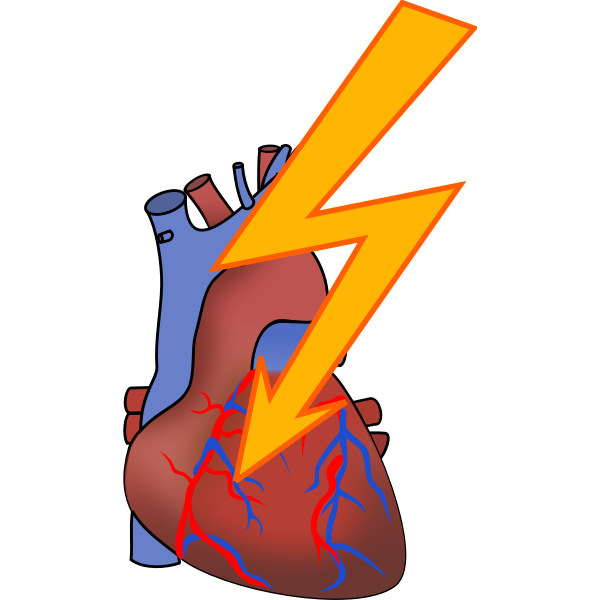
Understanding Heart Attacks: Causes and Treatment Approaches Explored

Welcome, readers, to an informative exploration of heart attacks—a serious medical condition that demands our attention. Although the topic may be weighty, we aim to deliver the necessary information with a touch of levity. So, sit back, relax, and embark on a journey through the causes and treatment approaches surrounding this cardiac phenomenon.

  1. Unveiling the Causes: Understanding Heart Attacks

Before we delve into treatment options, let us shed light on the common causes behind heart attacks. A basic comprehension of these factors can empower individuals to take proactive measures. Key contributors include:

a) Stress: Pervasive stress, whether from personal or professional challenges, can adversely impact the heart’s well-being. It is vital to identify effective stress management techniques, such as relaxation exercises and healthy coping mechanisms, to mitigate this risk factor.

b) Poor Diet: The consumption of nutritionally deficient foods, high in unhealthy fats and excessive sodium, poses a threat to cardiovascular health. A diet rich in fruits, vegetables, lean proteins, whole grains, and unsaturated fats is encouraged to maintain optimal heart health.

c) Sedentary Lifestyle: Engaging in a sedentary lifestyle devoid of regular physical activity places undue strain on the cardiovascular system. Incorporating moderate-intensity exercises, such as brisk walking or cycling, for at least 150 minutes per week promotes cardiovascular fitness and helps reduce the risk of heart attacks.

  1. Treatment Approaches: The Path to Recovery

Now that we’ve established the causes, let us shift our focus to evidence-based treatment options designed to address heart attacks:

a) Medical Interventions: Prompt medical attention is essential in the event of a heart attack. Healthcare professionals may administer medications to alleviate symptoms, reduce clot formation, and improve blood flow. Procedures such as angioplasty or stent placement may also be employed to restore blood flow within the affected arteries.

b) Cardiac Rehabilitation: Following a heart attack, participation in a comprehensive cardiac rehabilitation program can significantly aid recovery. These programs encompass supervised exercise, education on heart-healthy lifestyles, dietary guidance, and emotional support, all tailored to an individual’s specific needs.

c) Lifestyle Modifications: Embracing a heart-healthy lifestyle is pivotal in preventing subsequent heart attacks. Individuals are encouraged to adopt a balanced diet that includes whole foods, limit sodium and saturated fat intake, maintain a healthy weight, engage in regular exercise, manage stress effectively, and abstain from tobacco and excessive alcohol consumption.

  1. Seeking Professional Expertise: The Importance of Medical Guidance

While we’ve lightened the tone with our playful take on heart attack treatments, it is essential to emphasize that seeking professional medical help is paramount. Licensed healthcare providers possess the expertise necessary to diagnose and treat heart-related conditions accurately.

Their comprehensive approach, including diagnostic tests, medical interventions, and ongoing monitoring, plays an instrumental role in managing heart attacks and preventing future occurrences. It is crucial to recognize that self-medication, unverified remedies, or delaying medical attention can have adverse consequences on one’s well-being.

Conclusion:

In this exploration of heart attacks, we’ve covered the causes and treatment approaches associated with this critical medical condition. By adopting a serious approach to heart health, embracing a well-balanced lifestyle, and seeking professional medical assistance when needed, we can protect ourselves against the perils of heart attacks.

Remember, heart attacks demand our utmost attention. With the knowledge gained, let us prioritize heart health, make informed choices, and cultivate a supportive environment that fosters cardiovascular well-being. Together, we can navigate this realm of cardiac health and pave the way for a brighter, heart-healthy future.

Disclaimer: This blog post provides information for educational purposes only and does not substitute professional medical advice. Consult a qualified healthcare professional.

Share
Categories
Health Mental Health

Understanding Mental Health Issues Affecting Youth and Teenagers

Adolescence is a transformative period marked by growth, self-discovery, and new experiences. However, it can also be a challenging time for many young individuals as they navigate various social, academic, and personal pressures. Mental health issues among youth and teenagers have become increasingly prevalent, and it’s crucial to foster understanding and support. In this blog post, we will delve into the world of mental health issues that affect this age group, explore their causes, and provide insights on how to promote positive mental well-being.

  1. Anxiety Disorders:

Anxiety disorders, including generalized anxiety disorder (GAD), social anxiety, and panic disorder, are common among youth and teenagers. The pressure to excel academically, fitting in socially, and uncertainties about the future can contribute to excessive worry, panic attacks, and avoidance behaviors. Recognizing the signs and symptoms of anxiety disorders is crucial, as is encouraging open communication and seeking professional help when necessary.

  1. Depression and Mood Disorders:

Depression is a significant mental health issue affecting youth and teenagers. Feelings of sadness, hopelessness, changes in appetite or sleep patterns, and loss of interest in activities once enjoyed are common symptoms. Other mood disorders, such as bipolar disorder, can also manifest during this stage. It’s essential to create a safe and supportive environment where young individuals feel comfortable discussing their emotions and seeking assistance from mental health professionals.

  1. Eating Disorders:

Eating disorders, including anorexia nervosa, bulimia nervosa, and binge eating disorder, often emerge during adolescence. Body image concerns, societal pressures, and distorted perceptions of self can contribute to disordered eating habits. Raising awareness about the importance of body positivity, fostering a healthy relationship with food, and promoting self-acceptance are vital steps toward preventing and addressing eating disorders.

  1. Substance Abuse and Addiction:

Substance abuse is a serious issue that can have devastating consequences for youth and teenagers. The pressures to experiment, peer influence, and attempts to cope with underlying emotional struggles can contribute to substance misuse and addiction. Promoting education on the risks associated with substance abuse, establishing open lines of communication, and encouraging healthy coping mechanisms are crucial in preventing and addressing addiction issues.

  1. Self-Harm and Suicide:

The rising prevalence of self-harm and suicidal ideation among youth and teenagers is deeply concerning. Feelings of helplessness, loneliness, and the inability to cope with emotional pain may lead to self-destructive behaviors. Creating safe spaces for open discussions about mental health, providing access to professional support, and fostering a supportive network of friends and family can be life-saving.

The mental health challenges faced by youth and teenagers are complex and multifaceted. By fostering understanding, promoting open dialogue, and providing the necessary support, we can create an environment where mental health is prioritized. It is essential to dispel the stigma surrounding mental health issues, educate ourselves and others, and seek professional help when needed. Together, we can empower young individuals to navigate their mental well-being and thrive during this transformative phase of life. Remember, their mental health matters, and by standing united, we can make a positive difference in their lives.

Treatment for Mental Health Issues in Youth and Teenagers:

When it comes to addressing mental health issues in youth and teenagers, it’s essential to emphasize that seeking professional help is crucial. Mental health professionals are trained to provide appropriate guidance, support, and treatment strategies. Here are some common treatment options:

  1. Therapy/Counseling:
    • Individual Therapy: One-on-one therapy sessions allow young individuals to express their thoughts and emotions in a safe and confidential environment. Therapists use evidence-based approaches, such as cognitive-behavioral therapy (CBT), dialectical behavior therapy (DBT), or psychodynamic therapy, to address specific concerns and promote coping strategies.
    • Family Therapy: Involving the family can be beneficial, especially when mental health issues impact family dynamics. Family therapy helps improve communication, resolve conflicts, and strengthen relationships, creating a supportive network for the young person.
  2. Medication:
    • In some cases, mental health professionals may prescribe medication to alleviate symptoms and manage certain mental health disorders. Medication should always be carefully evaluated, and its use should be closely monitored by a qualified healthcare provider.
  3. Support Groups:
    • Participating in support groups or peer-led programs can provide valuable support and a sense of belonging. These groups allow young individuals to connect with others who may be experiencing similar challenges, share experiences, and learn from one another.
  4. Lifestyle Changes:
    • Encouraging healthy lifestyle habits is crucial for overall mental well-being. This includes promoting regular exercise, sufficient sleep, and a balanced diet. Engaging in activities they enjoy, practicing relaxation techniques (such as mindfulness or meditation), and setting realistic goals can also contribute to improved mental health.
  5. School-Based Interventions:
    • Collaborating with schools is essential for addressing mental health issues. Schools can provide resources such as guidance counselors, psychologists, or social workers who can support students within the educational setting. Implementing anti-bullying campaigns, stress management programs, and mental health awareness initiatives can also contribute to a positive school environment.
  6. Holistic Approaches:
    • Complementary and alternative therapies, such as art therapy, music therapy, yoga, or mindfulness practices, can complement traditional treatment methods and provide additional avenues for self-expression and healing.

Remember, treatment approaches can vary depending on the specific mental health issue, its severity, and individual needs. It’s important to tailor the treatment plan to the young person’s unique circumstances and involve their input throughout the process. Additionally, maintaining open lines of communication, providing ongoing support, and fostering a non-judgmental environment are crucial for their recovery and well-being.


Addressing mental health issues among youth and teenagers requires a comprehensive and compassionate approach. By seeking professional help, utilizing therapy, medication when necessary, and implementing various support mechanisms, we can empower young individuals to overcome their challenges and thrive. It’s essential to remember that treatment plans may vary based on individual circumstances, and a combination of approaches may be required. Together, let’s advocate for the well-being of our youth, break down stigma, and provide the necessary support to ensure they receive the treatment they deserve.

Share
Categories
Food Health

Which food needs to be avoided by youth?

As young individuals, it’s important to prioritize our health and make informed choices about the foods we consume. While it’s okay to indulge in treats occasionally, there are certain foods that are generally considered less healthy and should be consumed in moderation. Here are some examples of foods that are often considered less beneficial for the youth:

  1. Sugary Drinks: Sugar-sweetened beverages like soda, energy drinks, and sweetened juices provide excessive amounts of added sugars and little to no nutritional value. Regular consumption can contribute to weight gain, tooth decay, and an increased risk of chronic diseases like diabetes.
  2. Fast Food: Fast food meals are often high in unhealthy fats, sodium, and added sugars. Regularly consuming fast food can lead to weight gain, poor nutrient intake, and an increased risk of chronic diseases like heart disease and type 2 diabetes.
  3. Processed Snacks: Packaged snacks like chips, cookies, and candy bars are typically high in unhealthy fats, added sugars, and artificial ingredients. These snacks lack essential nutrients and can contribute to weight gain and poor overall health.
  4. Fried Foods: Foods that are deep-fried or cooked in unhealthy oils are high in unhealthy fats and can lead to weight gain, high cholesterol levels, and an increased risk of heart disease.
  5. Sugary Cereals: Many cereals marketed towards youth are loaded with added sugars. Starting the day with a high-sugar cereal can lead to blood sugar spikes and crashes, affecting energy levels and concentration.
  6. High-Sodium Foods: Foods like canned soups, processed meats (e.g., hot dogs, sausages), and salty snacks are often high in sodium. Excessive sodium intake can contribute to high blood pressure and an increased risk of heart disease.
  7. Artificially Sweetened Foods: While artificially sweetened foods may seem like a healthier alternative to their sugary counterparts, excessive consumption of artificial sweeteners has been linked to various health concerns. It’s important to moderate the intake of artificially sweetened beverages, diet sodas, and processed foods labeled as “sugar-free” or “diet.”

Remember, the occasional indulgence is perfectly fine, but consistently making healthier food choices can have a positive impact on your overall health and wellbeing. Prioritizing whole, unprocessed foods like fruits, vegetables, lean proteins, whole grains, and healthy fats will provide essential nutrients for growth and development during your youth.

Share
Categories
Beverages Food Health

Coffee vs Tea – Which is Better?

Coffee and tea are two of the most popular beverages in the world. Not only do they taste great, but they also have a number of health benefits. But which one is better for you? In this blog post, we’ll explore the health benefits of coffee and tea and compare the two to help you decide which one is right for you.

Benefits of Coffee

  1. Boosts Brain Function: Coffee is well-known for its ability to increase alertness and improve cognitive function. This is due to its high caffeine content, which can stimulate the central nervous system and help you feel more awake and alert.
  2. Reduces Risk of Type 2 Diabetes: Studies have shown that regular coffee consumption may lower the risk of developing type 2 diabetes. This is thought to be due to coffee’s ability to increase insulin sensitivity and reduce inflammation.
  3. Protects Against Liver Disease: Coffee has been shown to protect against liver disease, including cirrhosis and liver cancer. This is thought to be due to coffee’s ability to reduce inflammation and improve liver function.

Benefits of Tea

  1. Rich in Antioxidants: Tea is loaded with antioxidants, which can help protect the body from free radicals and reduce the risk of chronic diseases like cancer and heart disease.
  2. Reduces Risk of Stroke: Studies have shown that regular tea consumption may reduce the risk of stroke. This is thought to be due to tea’s ability to improve blood flow and reduce inflammation.
  3. Calming Effect: Tea contains an amino acid called L-theanine, which can have a calming effect on the body and help reduce stress and anxiety.

Which is Better?

While both coffee and tea have their own unique health benefits, there are some key differences to consider.

Caffeine Content: Coffee contains more caffeine than tea, which can help increase alertness and improve cognitive function. However, too much caffeine can cause jitters and anxiety, so it’s important to consume coffee in moderation.

Antioxidants: Tea is a better source of antioxidants than coffee, which can help protect the body from free radicals and reduce the risk of chronic diseases.

Calming Effect: Tea contains L-theanine, which can have a calming effect on the body and help reduce stress and anxiety. Coffee, on the other hand, can sometimes cause jitters and anxiety.

Both coffee and tea have their own unique health benefits. If you’re looking for a quick pick-me-up or need to stay alert, coffee might be the better choice for you. However, if you’re looking for a beverage that’s loaded with antioxidants and has a calming effect on the body, tea might be the better choice. Ultimately, the choice between coffee and tea comes down to personal preference and lifestyle. So, whether you’re a coffee lover or a tea aficionado, both of these beverages can be part of a healthy and balanced diet.

Share
Categories
Antioxidants Food Health

Antioxidants

Antioxidants are essential for maintaining a healthy body and reducing the risk of chronic diseases. These powerful nutrients help protect the body from harmful free radicals, which can damage cells and contribute to aging and disease. Here are some foods that are loaded with antioxidants and can help you maintain optimal health.

  1. Berries: Berries are rich in antioxidants like anthocyanins, which can help reduce inflammation, improve heart health, and promote healthy aging. Some of the best berries for antioxidants include blueberries, strawberries, raspberries, and blackberries.
  2. Dark Chocolate: Dark chocolate is rich in flavonoids, which are antioxidants that can help lower blood pressure, reduce inflammation, and improve heart health. Make sure to choose chocolate that is at least 70% cocoa to get the most antioxidants.
  3. Nuts: Nuts are a great source of antioxidants and healthy fats. Almonds, pistachios, and walnuts are especially high in antioxidants like vitamin E, which can help protect cells from damage and reduce the risk of chronic diseases.
  4. Leafy Greens: Leafy greens like spinach, kale, and collard greens are packed with antioxidants like vitamin C and beta-carotene. These nutrients can help reduce inflammation and protect against chronic diseases like cancer and heart disease.
  5. Tomatoes: Tomatoes are rich in lycopene, an antioxidant that can help reduce the risk of heart disease and certain types of cancer. Cooked tomatoes, like in tomato sauce or soup, are especially high in lycopene.
  6. Beans: Beans are a great source of antioxidants like polyphenols and can help reduce inflammation and improve heart health. Some of the best beans for antioxidants include kidney beans, black beans, and pinto beans.
  7. Spices: Many spices are loaded with antioxidants and can help reduce inflammation and improve overall health. Some of the best spices for antioxidants include turmeric, ginger, cinnamon, and oregano.

Incorporating antioxidant-rich foods into your diet can help protect your body from free radicals, reduce inflammation, and lower the risk of chronic diseases. By adding these foods to your meals and snacks, you can support optimal health and wellbeing. So, go ahead and indulge in some dark chocolate, sprinkle some cinnamon on your oatmeal, or enjoy a colorful salad loaded with berries and leafy greens. Your body will thank you for it!

Share
Categories
Food Health

Food for Middle Aged People – Good vs Bad

As we enter middle age, our bodies undergo various changes, and it becomes increasingly important to maintain a healthy and balanced diet to support our overall health and wellbeing. Here are some foods that are good and bad for middle-aged people.

Good Foods for Middle-Aged People:

  1. Leafy Greens: Leafy greens like spinach, kale, and collard greens are rich in vitamins and minerals, and they contain antioxidants that can help reduce inflammation and protect against chronic diseases.
  2. Fatty Fish: Fatty fish like salmon, tuna, and sardines are high in omega-3 fatty acids, which can help reduce inflammation, lower cholesterol levels, and improve brain function.
  3. Whole Grains: Whole grains like brown rice, quinoa, and oats are a great source of fiber, which can help lower cholesterol levels, regulate blood sugar, and promote healthy digestion.
  4. Berries: Berries like blueberries, strawberries, and raspberries are rich in antioxidants and can help reduce inflammation, improve heart health, and promote brain function.
  5. Nuts and Seeds: Nuts and seeds like almonds, walnuts, chia seeds, and flaxseeds are a great source of healthy fats, protein, and fiber, which can help reduce inflammation and improve heart health.

Bad Foods for Middle-Aged People:

  1. Processed Foods: Processed foods like chips, cookies, and frozen dinners are often high in calories, sodium, and unhealthy fats, which can contribute to weight gain, high blood pressure, and other chronic diseases.
  2. Sugary Drinks: Sugary drinks like soda, energy drinks, and sports drinks are high in calories and sugar and can contribute to weight gain and an increased risk of chronic diseases like diabetes and heart disease.
  3. Red Meat: Red meat like beef, pork, and lamb can be high in saturated fats, which can contribute to high cholesterol levels and an increased risk of heart disease.
  4. Fried Foods: Fried foods like french fries and fried chicken can be high in calories and unhealthy fats, which can contribute to weight gain and an increased risk of chronic diseases.
  5. Alcohol: While moderate alcohol consumption can have health benefits, excessive alcohol consumption can contribute to weight gain, high blood pressure, and an increased risk of chronic diseases like liver disease and certain types of cancer.

A healthy and balanced diet is essential for middle-aged people to maintain optimal health and wellbeing. By incorporating these good foods into their diet and limiting or avoiding these bad foods, middle-aged people can support their overall health and reduce their risk of chronic diseases.

Share